A fashion blog · Islamabad

Clothes, colour and
everything in between

I'm not in the industry — I just think about clothes far too much. This is where I write it down: what's changing, what lasts, and how to wear it without spending a fortune.

Scroll
Colour · Silhouette · Fabric · Street style · Wardrobe care · Trend notes · Thrifting · Colour · Silhouette · Fabric · Street style · Wardrobe care · Trend notes · Thrifting ·
This week

The long read

Essay

What your everyday outfit is actually saying

We talk about fashion as if it only happens on runways. Most of it happens at bus stops and in university corridors — in the decisions people make in four minutes, half-awake, about how they'd like to be read that day.
Journal

Recent writing

Short pieces on what I'm noticing — in shops, on the street, and in my own wardrobe.

Trends

How beige quietly took over everything

Five years of neutrals, and what the return to colour will probably look like.

12 Sep6 min
Styling

One white kurta, seven days

An experiment in accessories, and what I learned about my own habits by the Thursday.
28 Aug4 min
Care

Telling good stitching in thirty seconds

Three things to check before you buy anything — none of them the price tag.

14 Aug5 min
Trends

Lawn season, honestly

Why the same print looks different on two people, and how to shop the catalogues without panic.

02 Aug7 min
Thoughts

The quiet return of the nineties silhouette

Wide shoulders, longer shirts, and why every revival arrives softer than the original.

21 Jul6 min
Care

Making clothes last twice as long

Washing, drying, folding. Dull advice that saves more money than any sale.

09 Jul5 min
Fabric

Lawn: why two suits of the same cloth feel different

Thread count, finishing and print depth — the three things the catalogue never tells you.

05 Sep7 min
Fabric

Khaddar, weight by weight

Summer khaddar, winter khaddar, and the in-between one everyone buys by mistake.

30 Aug6 min
Fabric

Chiffon and georgette are not the same thing

They drape differently, they tear differently, and only one forgives a bad stitch.

22 Aug5 min
Fabric

Silk, raw and otherwise

Mulberry, raw, art silk, silk blend — what you are actually paying for at each step.

16 Aug8 min
Fabric

Linen in a Pakistani summer

Real linen, blended linen, and the winter cloth sold under the same name.

08 Aug6 min
Fabric

Velvet, karandi and the winter shortlist

What holds warmth, what only looks warm, and what survives a Rawalpindi December.

26 Jul7 min
Colour

What I'm watching this season

Five shades turning up everywhere right now, and who they actually suit.

Pistachiosoft green
Rose claywarm neutral
Dusty lilaccool pastel
Turmericgold hour
Ice bluewinter light
Fabric guide

Every cloth, one card each

The fabrics you actually meet in a Pakistani market — how they feel, how to wash them, and the thing nobody warns you about. Tap a card to open it.

Lawn

Summer

A fine, light cotton weave — the default Pakistani summer cloth.

+ What to know
Feel
Light and breathable, printed more often than dyed.
Weight
Cotton, 80–120 GSM
Care
Cool machine wash, dry in shade
Watch out
Thin lawn turns see-through after two washes. Hold it up to the light in the shop.

Cambric

Summer

Lawn's sturdier cousin: same cotton family, tighter weave.

+ What to know
Feel
Holds its shape better, slightly warmer to wear.
Weight
Cotton, 120–150 GSM
Care
Machine wash, medium iron
Watch out
Often sold as lawn at a higher price. It is noticeably heavier in the hand.

Khaddar

Winter

Handloom-textured cotton, woven thick for cold weather.

+ What to know
Feel
Slightly rough, softens with every wash.
Weight
Cotton, 150–250 GSM
Care
Cold wash, never wring hard
Watch out
Sold in three weights. The lightest is closer to cambric and will not keep you warm.

Karandi

Winter

Wool-blend weave with a faint slub; a formal winter staple.

+ What to know
Feel
Warm without bulk, drapes stiffly.
Weight
Wool blend, 200–300 GSM
Care
Dry clean, or a gentle cold wash
Watch out
Cheap karandi pills within one season. Rub the surface hard before buying.

Chiffon

Formal

Sheer, floaty, and unforgiving of poor stitching.

+ What to know
Feel
Weightless, needs lining, slips while cutting.
Weight
Silk or polyester, 30–60 GSM
Care
Hand wash cold, hang dry
Watch out
Snags on rings and jewellery. Buy a spare metre for repairs.

Georgette

Formal

The crinkled cousin of chiffon: more body, less shine.

+ What to know
Feel
Slight stretch, hides stitching better.
Weight
Silk or poly, 50–80 GSM
Care
Hand wash, no wringing
Watch out
The polyester version traps heat. Avoid it for long summer functions.

Organza

Formal

Crisp and transparent, holds a shape almost like paper.

+ What to know
Feel
Structured, a little scratchy at the edges.
Weight
Silk or nylon, 40–70 GSM
Care
Dry clean; steam, do not press
Watch out
Creases stay forever. Store it hanging, never folded in a drawer.

Raw silk

Formal

Textured silk with visible slubs and a dry, matte shine.

+ What to know
Feel
Stiff, sculptural, ages beautifully.
Weight
Silk, 90–150 GSM
Care
Dry clean only
Watch out
Water spots it permanently. One splash of chai is not recoverable.

Linen

All year

Real linen breathes better than anything else in heat.

+ What to know
Feel
Cool, crumples instantly, softens forever.
Weight
Flax, 150–200 GSM
Care
Cold wash, shade dry
Watch out
Most suits sold as linen are cotton-poly blends. Real linen creases — that is the test.

Denim

All year

Cotton twill, heavy and hard-wearing.

+ What to know
Feel
Stiff at first, moulds to you over months.
Weight
Cotton twill, 300–450 GSM
Care
Wash rarely, inside out, cold
Watch out
Stretch denim loses shape within a year. Pure cotton lasts but needs breaking in.

Velvet

Winter

A pile fabric with direction — it catches light one way and dulls the other.

+ What to know
Feel
Warm, heavy, dramatic under lights.
Weight
Silk, cotton or poly, 250–400 GSM
Care
Dry clean; steam upright
Watch out
Cut every piece with the pile running the same way or one panel will look a shade off.

Jamawar

Formal

Woven brocade patterning, traditionally for shawls and formals.

+ What to know
Feel
Rich, structured, heavier than it looks.
Weight
Silk or blend, 200–350 GSM
Care
Dry clean only
Watch out
Threads pull easily on the reverse. Line anything that touches skin.

Style is just taste with the receipts kept.

Note to self, March
The wardrobe

51 things I actually wear

Not a lookbook and not a shop — just what is in the cupboard, and what I have learnt about wearing each of them. Tap any photograph to see it properly.

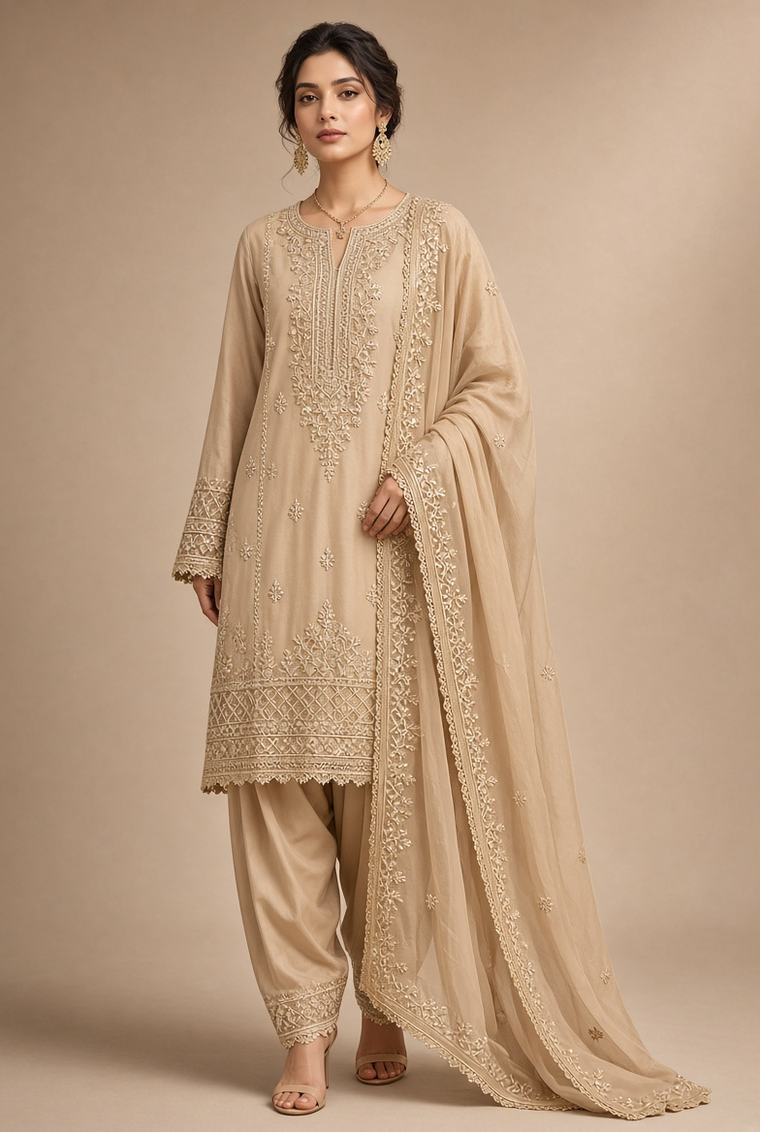
Oat chikankari, worked white on white so the thread only shows when the light moves. Straight kurta, straight shalwar, nothing else asked to do any work.
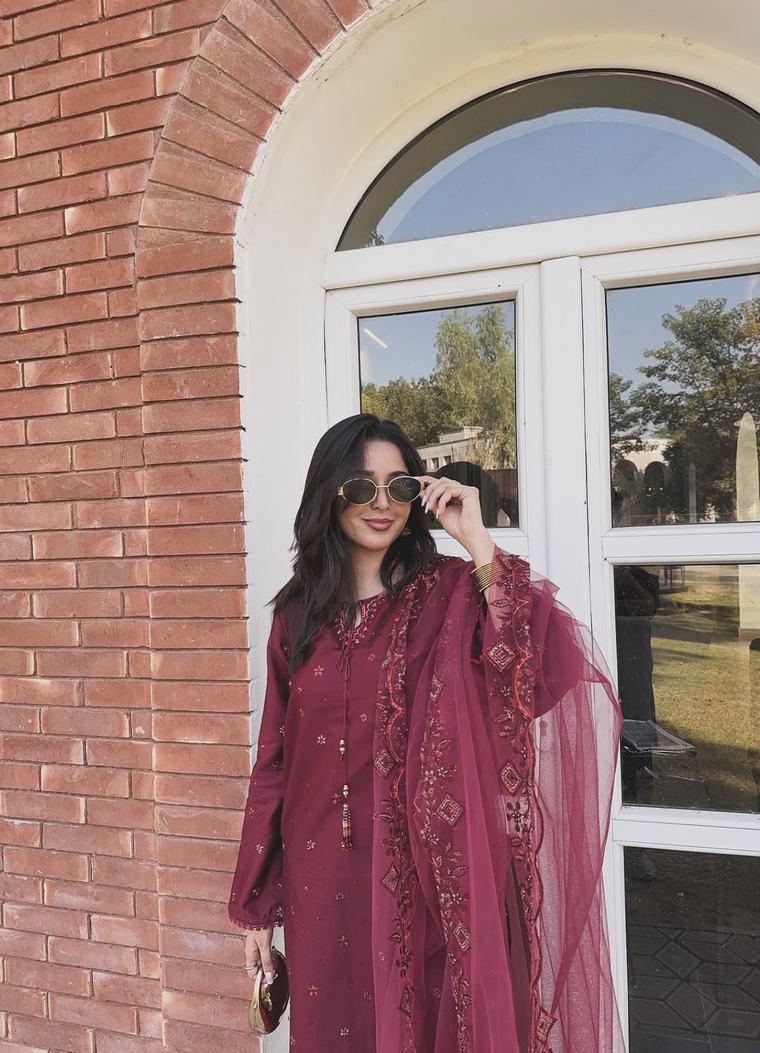
Crimson net with a scatter of thread work. Net is unforgiving about lining — get that wrong and the whole colour goes cloudy.
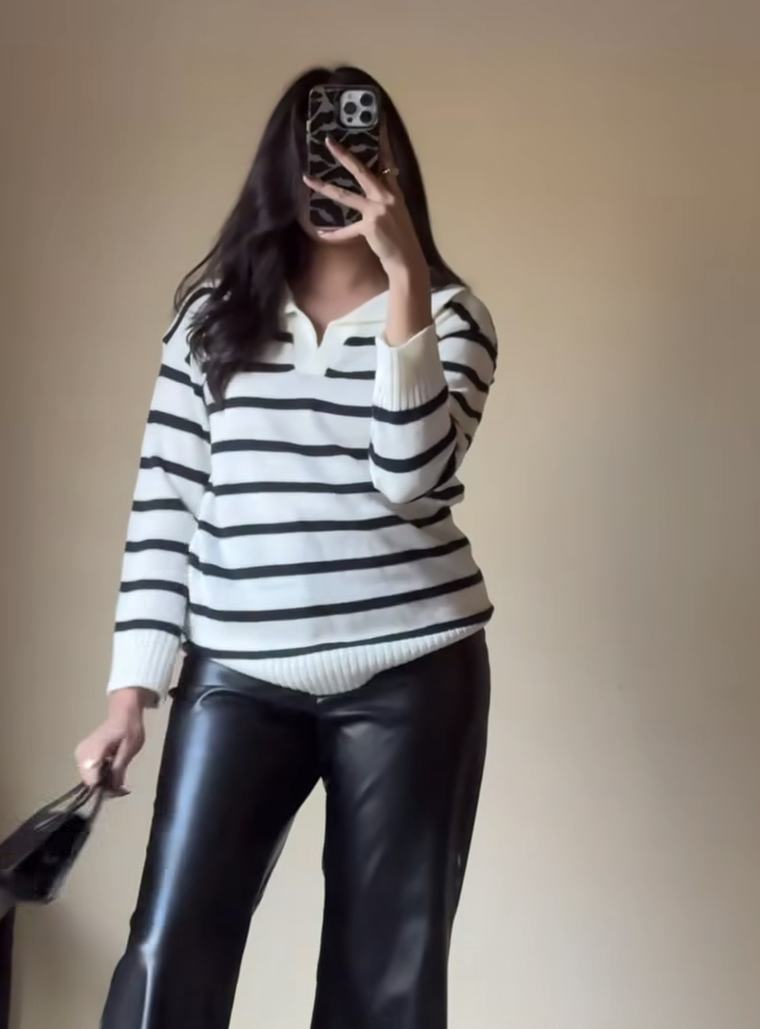
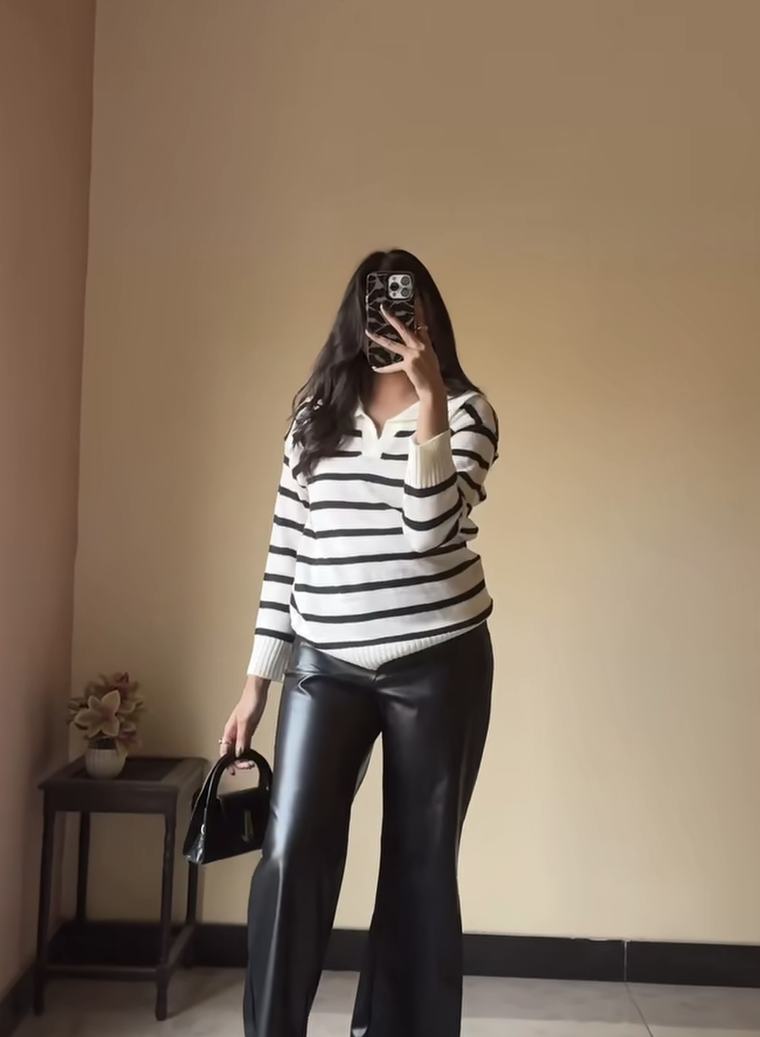
Breton stripes against faux leather. The stripe is what keeps it from turning into a costume.
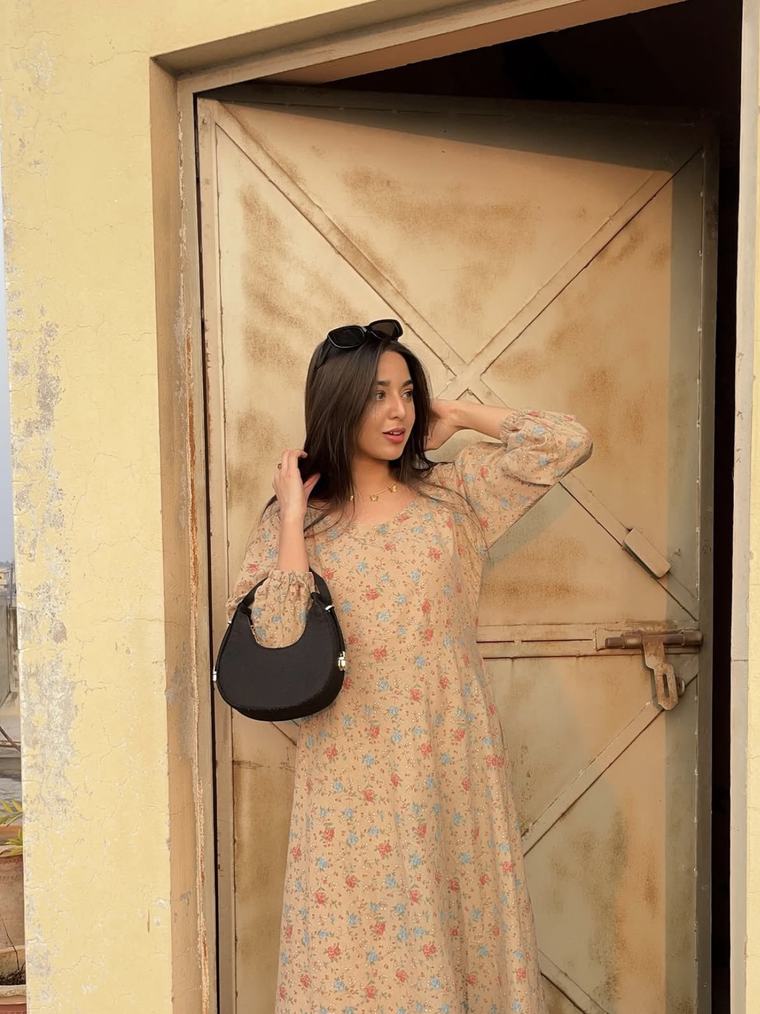
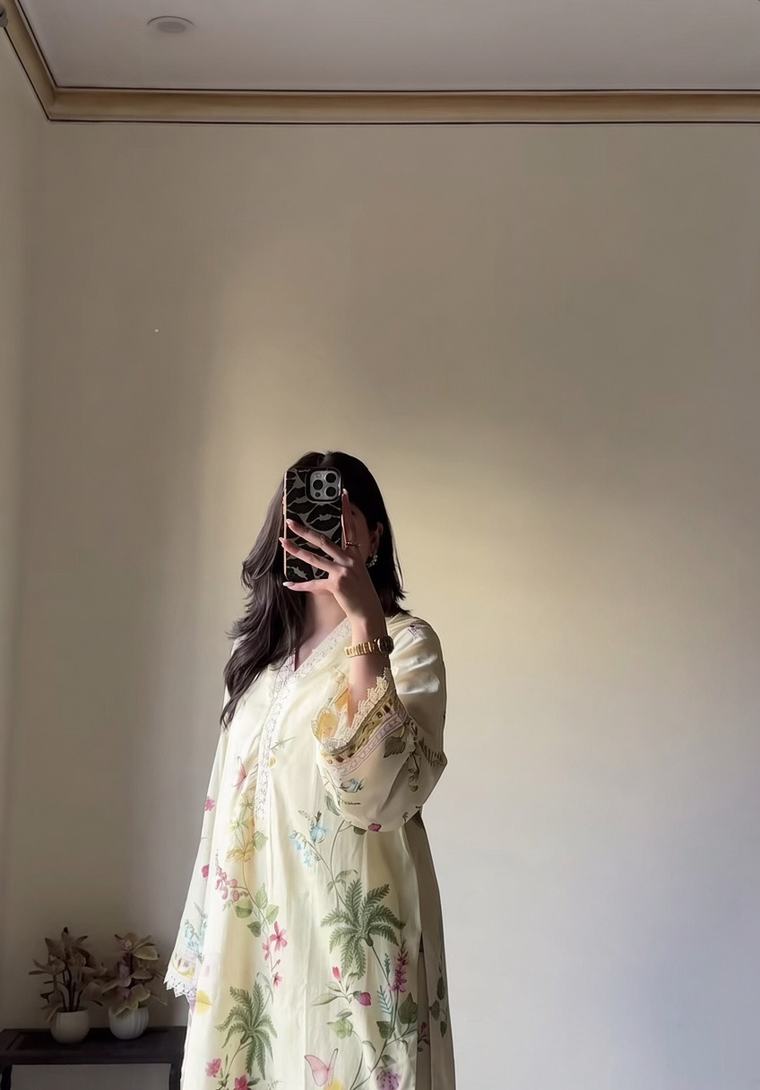
A long floral, full length. This one wants a plain shoe and no jewellery whatsoever.
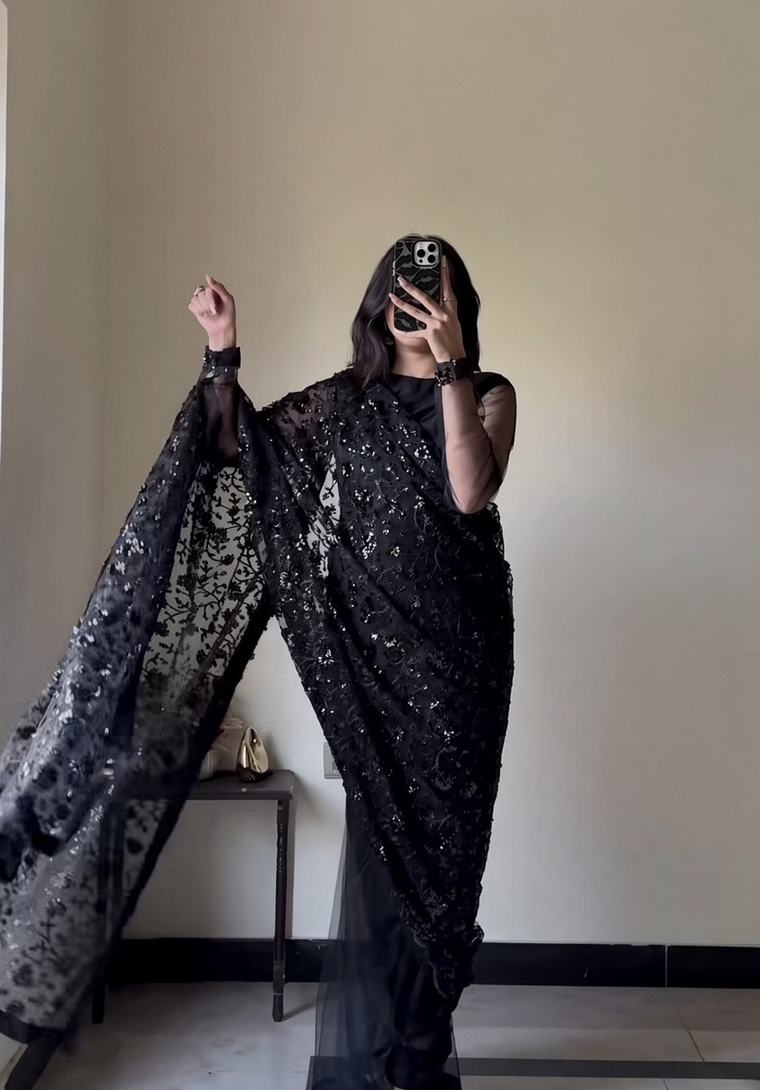
Draped as a sari. The weight of the sequin does the pleating for you, which is the only easy thing about it.
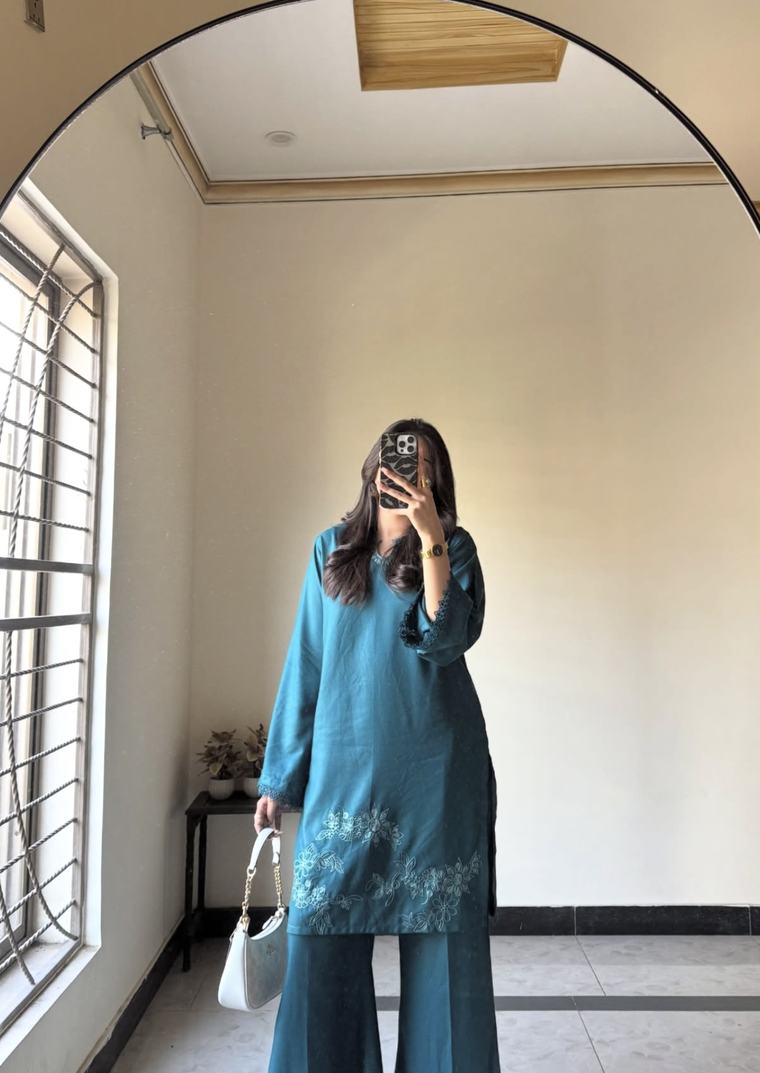
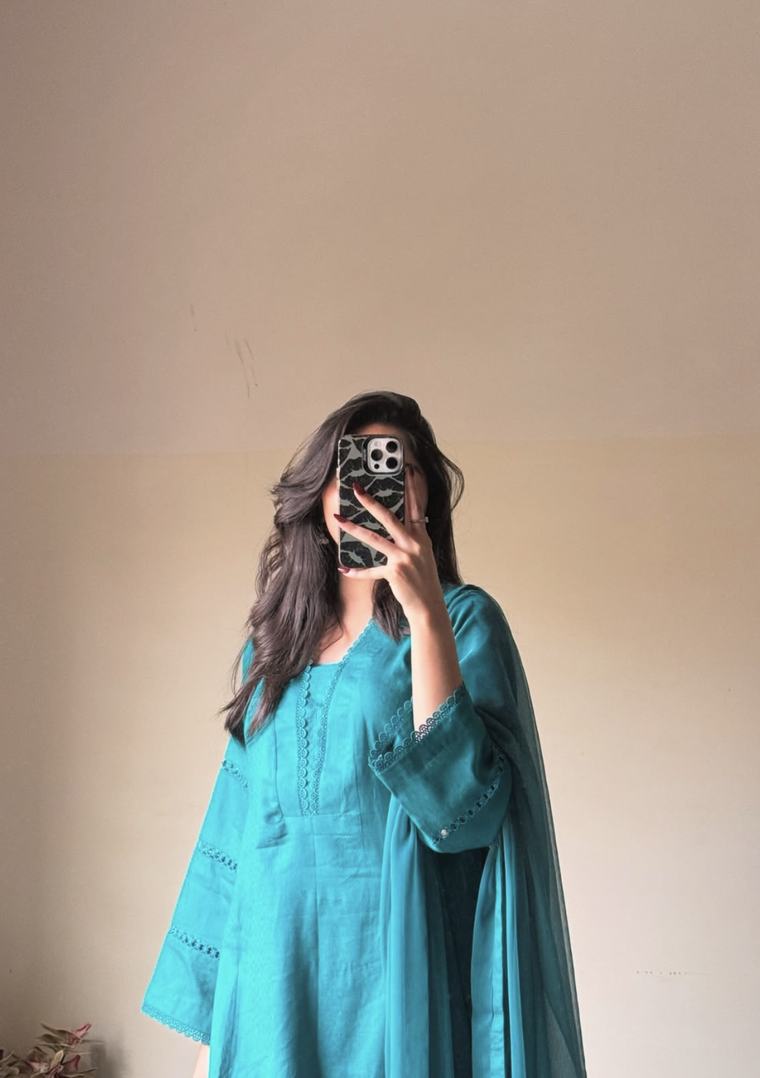
Teal cotton, cut short and square. Colour this saturated needs a plain trouser or the whole thing starts shouting.
A colour is not a colour until you have seen it at four in the afternoon.Sundas Sehar
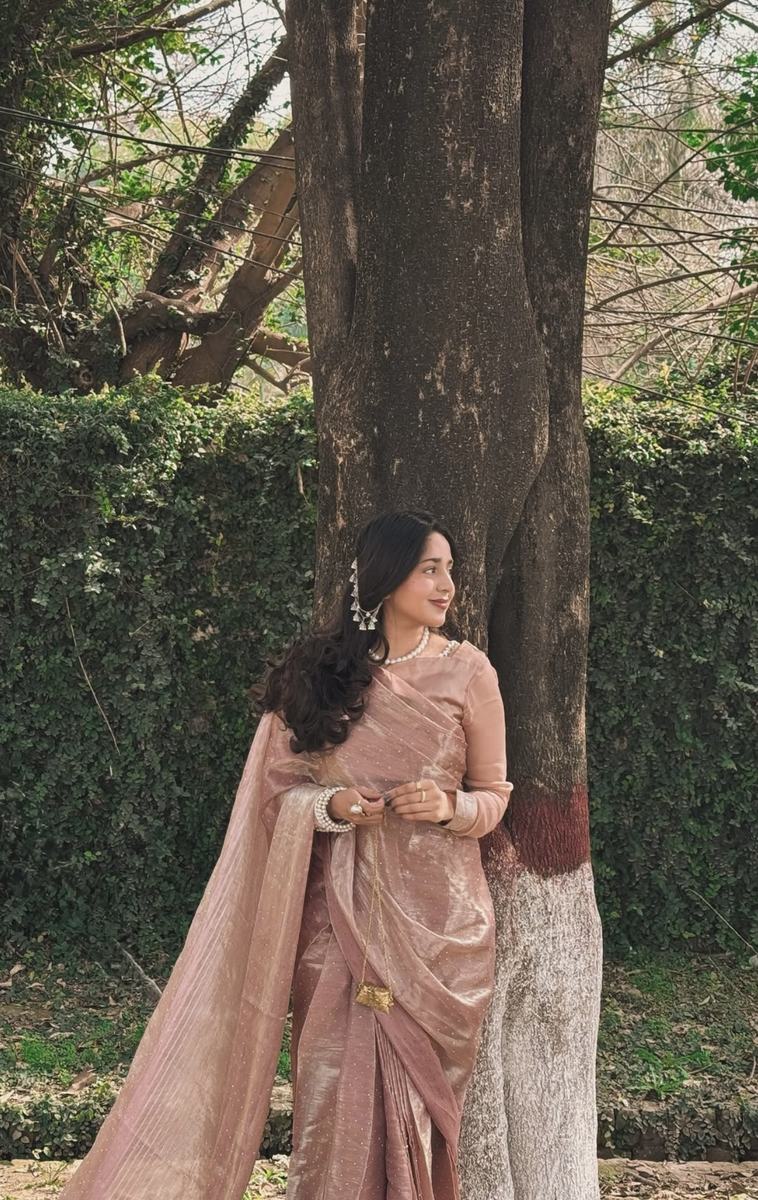
Tissue in tea rose. It holds a fold rather than falling out of one — the whole reason to wear it, and the whole reason it creases the moment you sit.
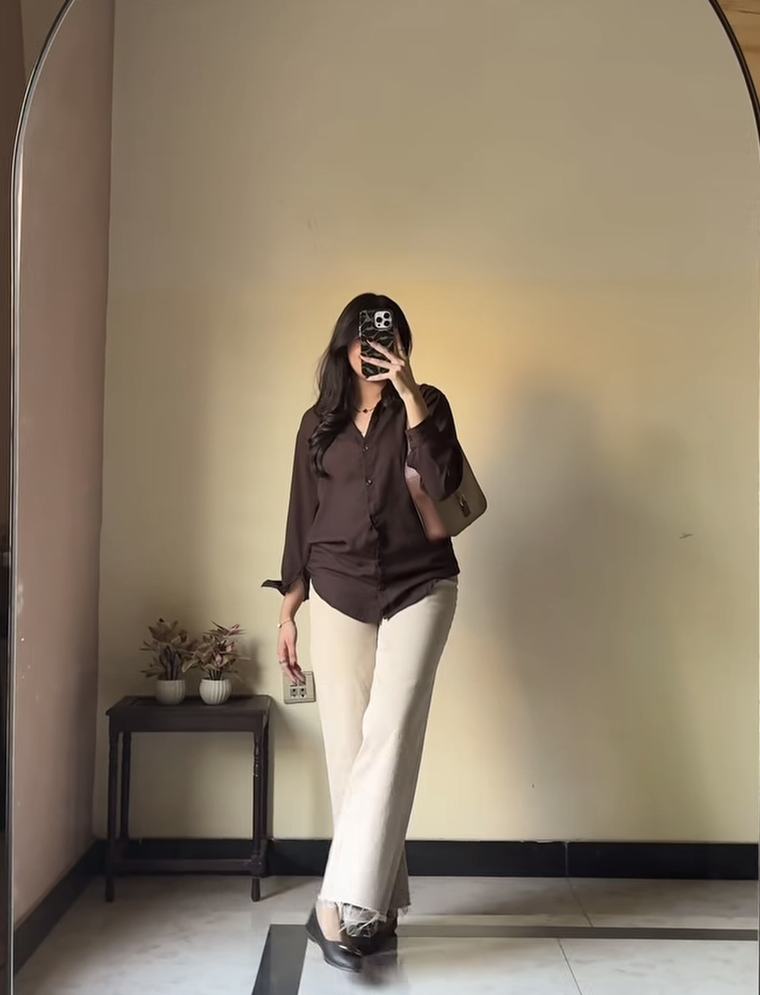
Brown on brown with a tan bag to break it up. Three shades of one colour is a safer bet than two.
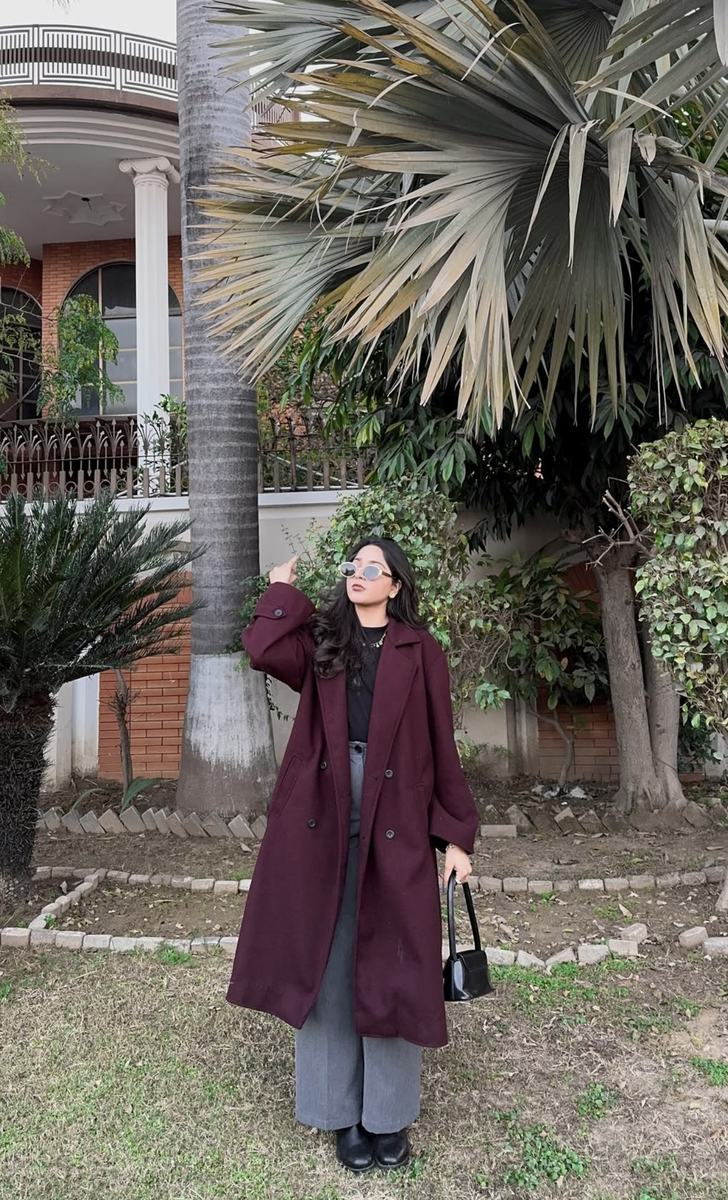
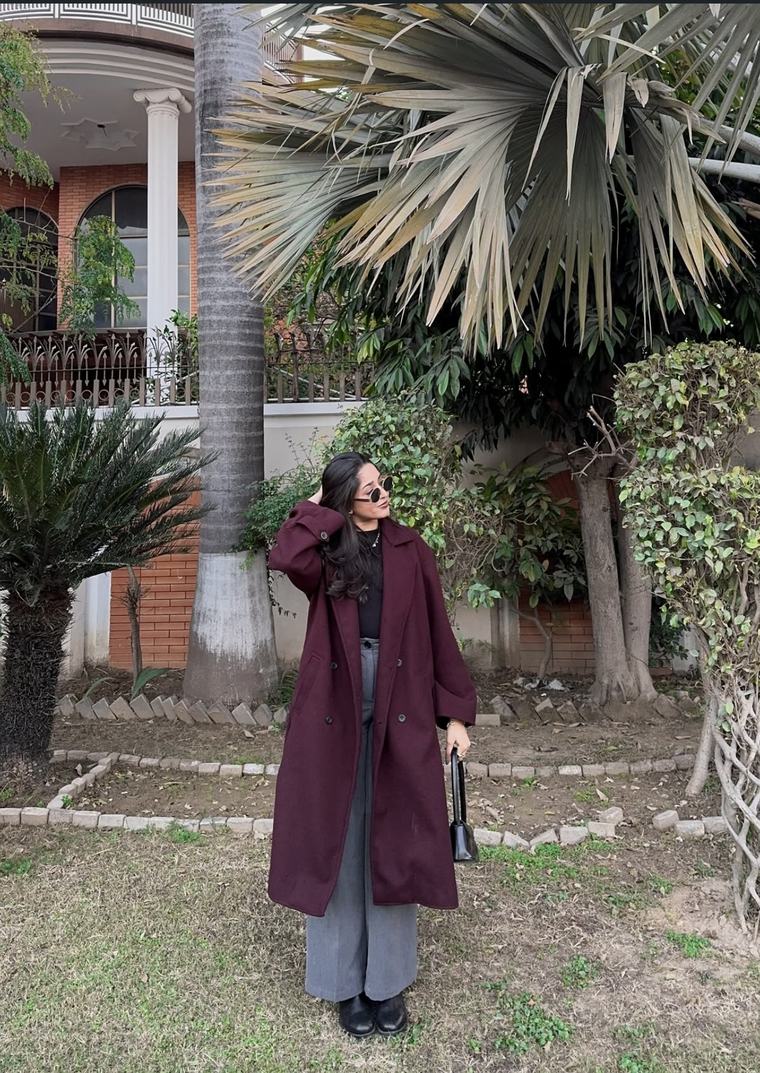
An open maroon duster over grey wide-legs. The length is doing the work — anything shorter reads as a cardigan.
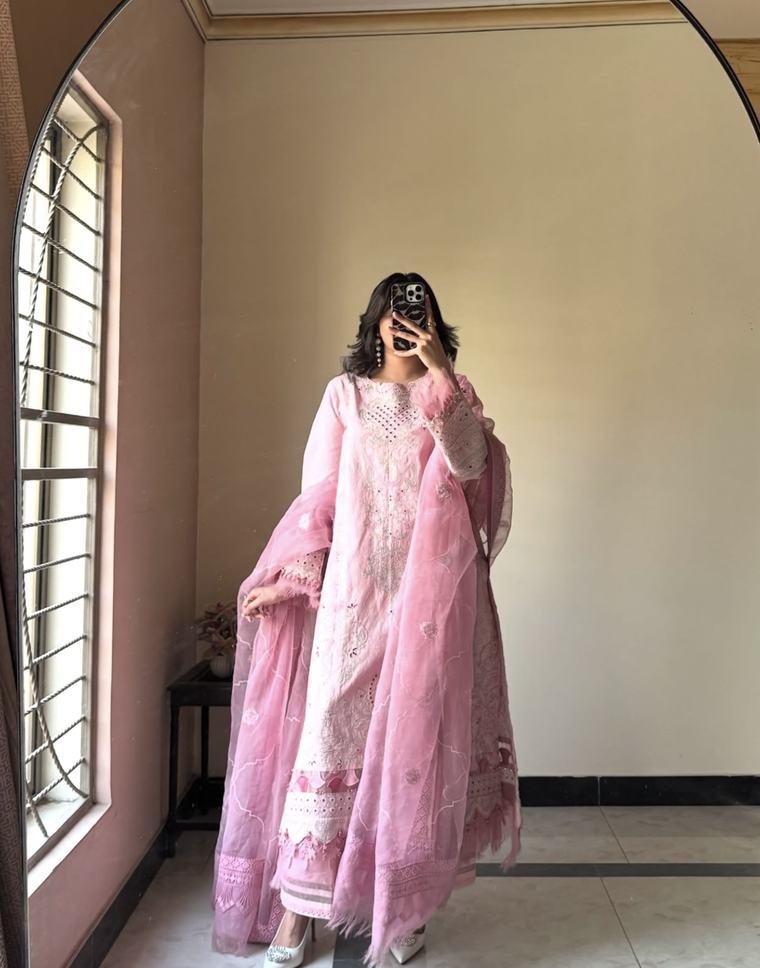
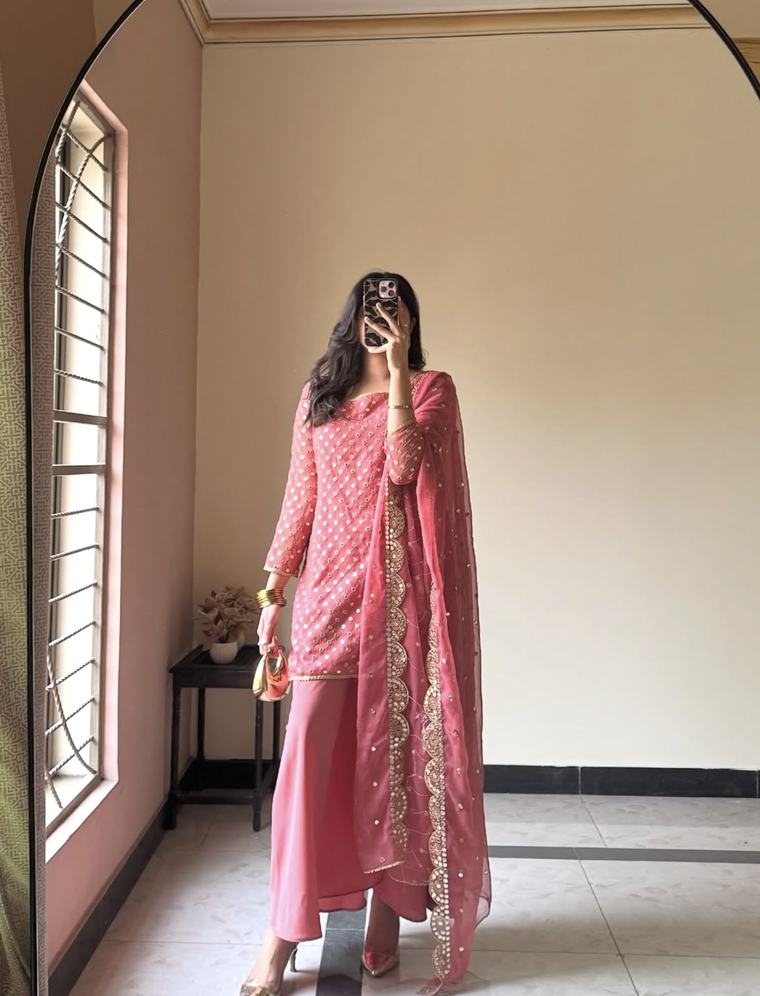
Blush organza with embroidery running along the border. Organza remembers everything; one bad fold and it stays with you all evening.
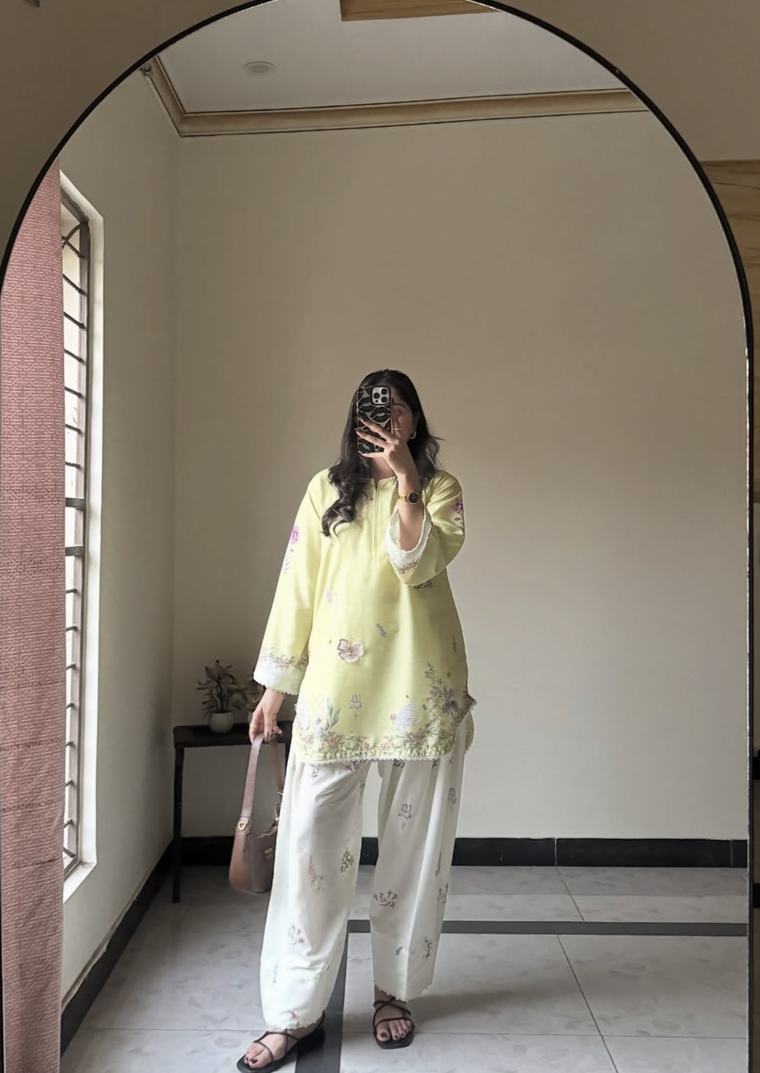
Lemon on white. A short kurta over a shalwar is the easiest silhouette in the wardrobe and the hardest to make look considered.
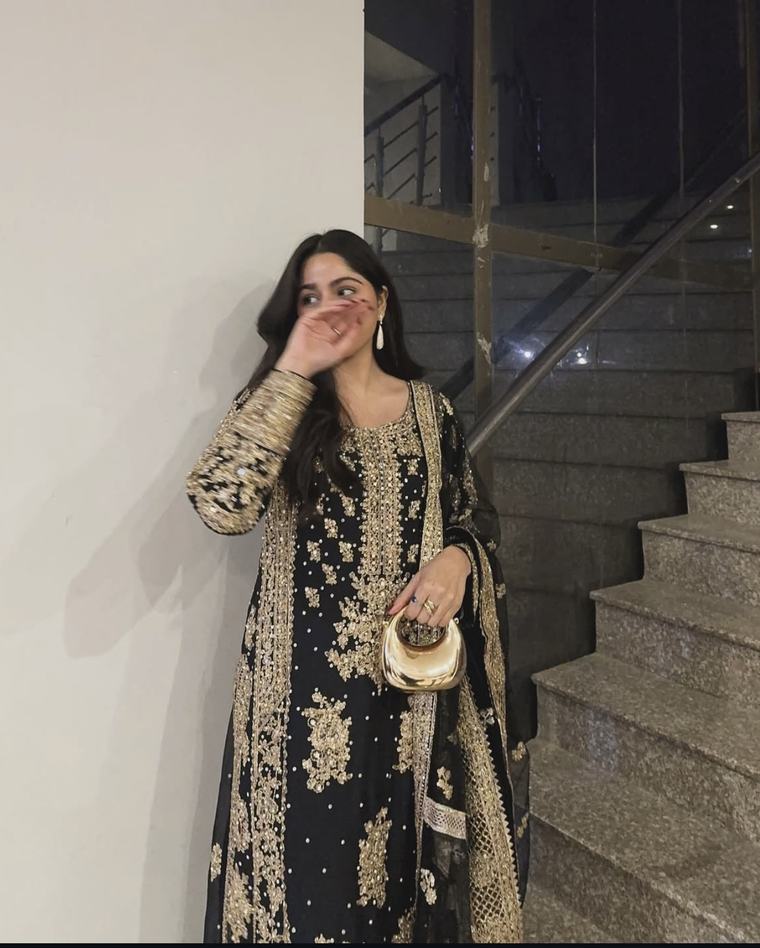
Black ground, gold work, heavy enough that the fabric hangs from the embroidery rather than the other way round. Formal wear is mostly a weight problem.
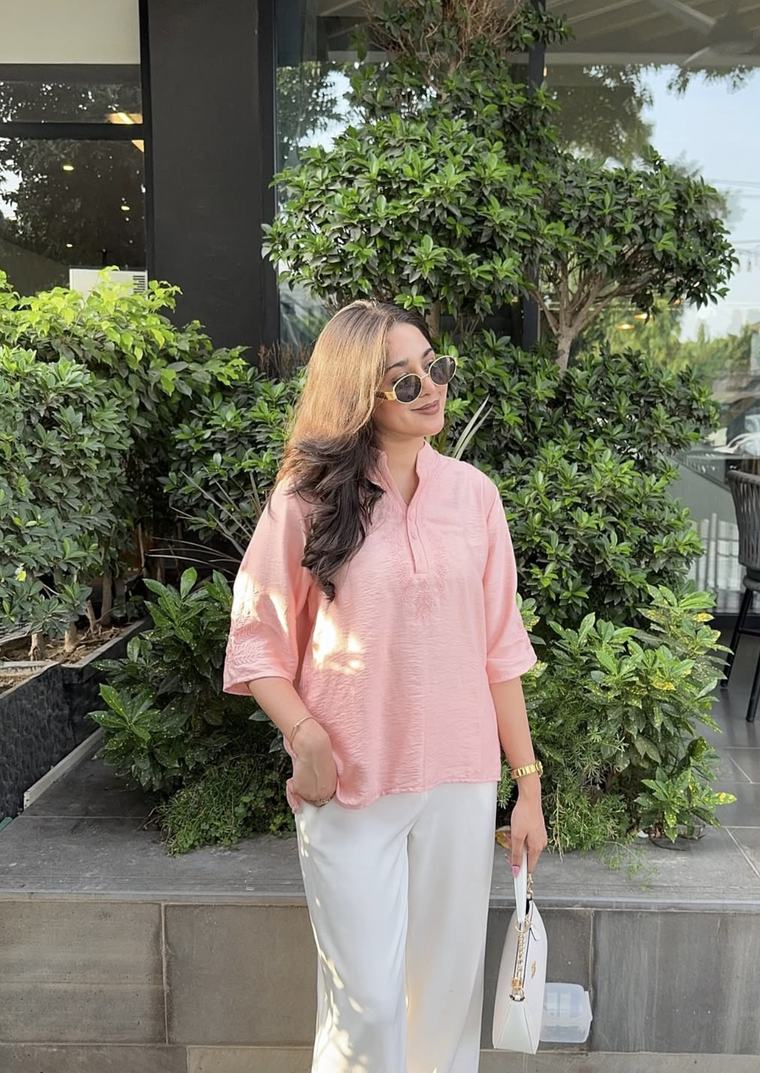
A coral shirt with the sleeves pushed up, white trousers under it. Warm colour near the face does more than any amount of jewellery.
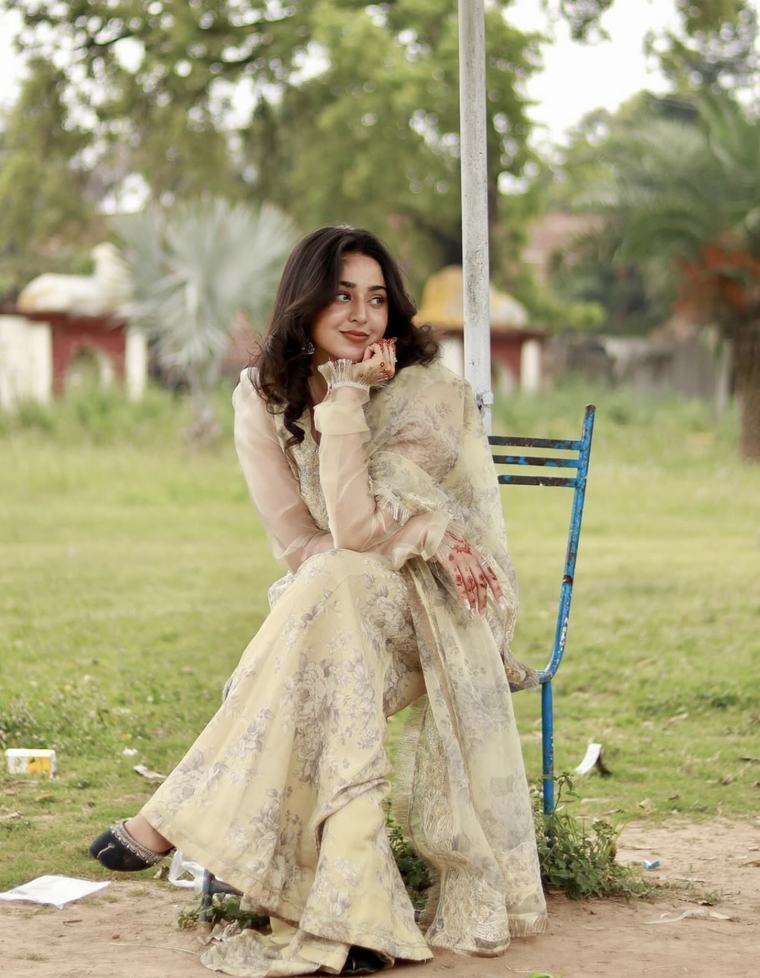
Printed chiffon on an ivory ground. Chiffon in open air is a gamble and occasionally worth taking.
A full anarkali with a woven border at the hem. All that fabric needs weight at the bottom or it collapses inward.
Chocolate against cream. Brown was supposed to be the dull neutral; it turned out to be the most flattering one I own.
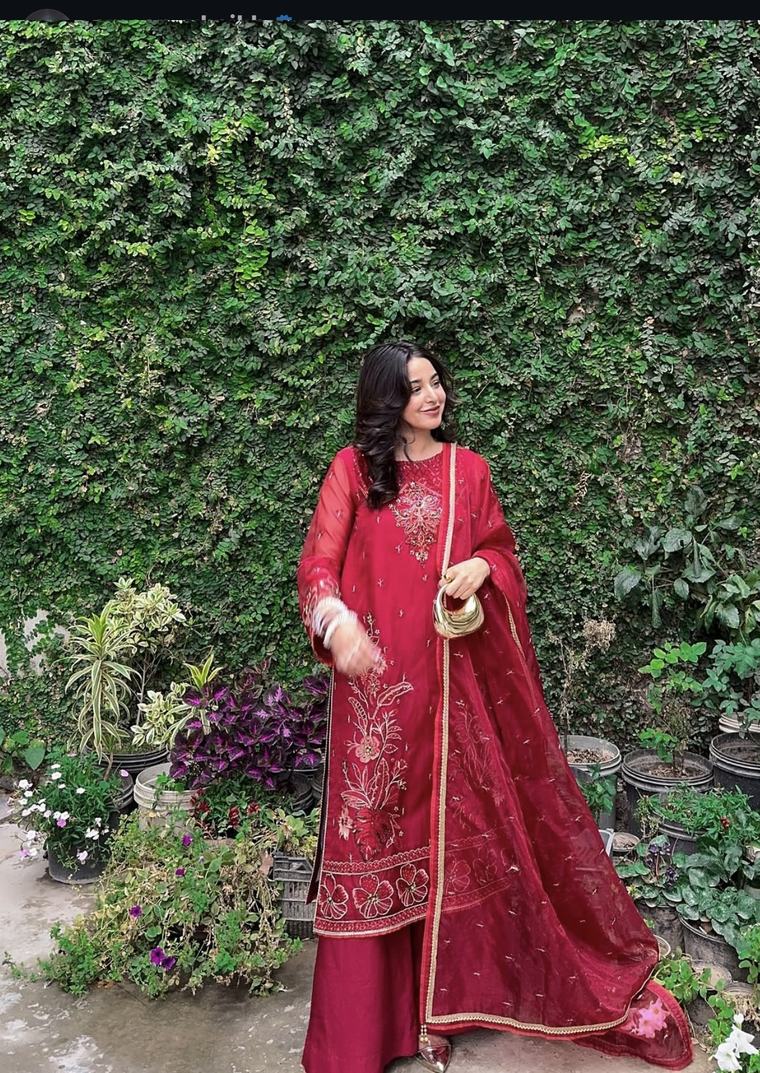
Crimson and gold thread against a wall of green. Complementary colours, entirely by accident.
Fit is a decision. Everything else is only shopping.Sundas Sehar
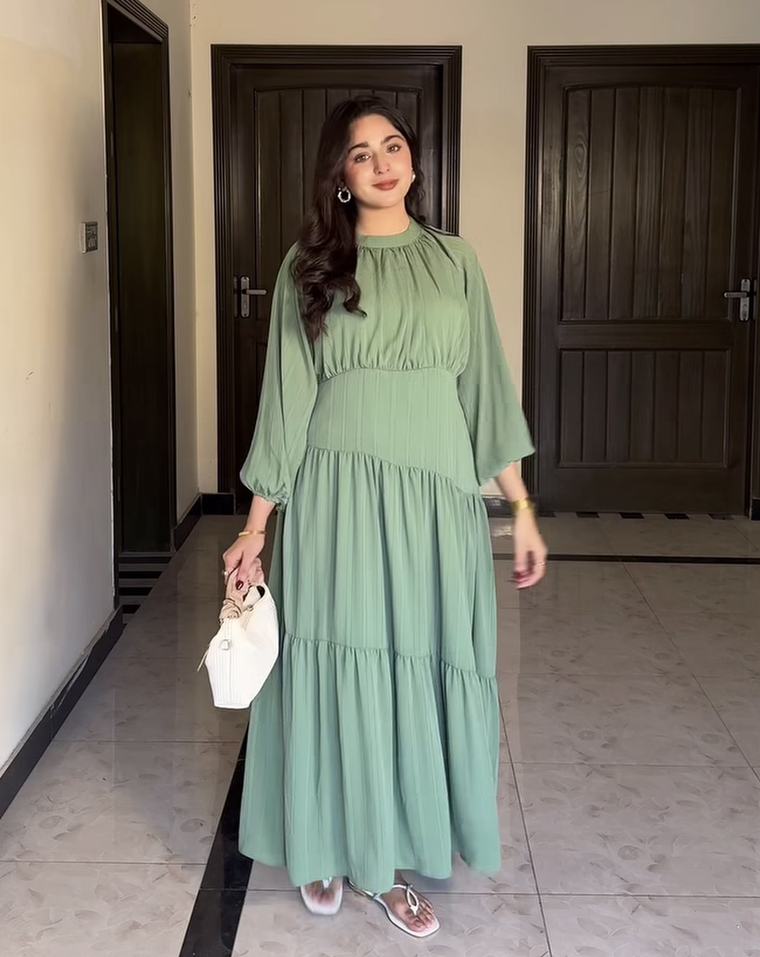
Sage, tiered, with a gathered sleeve. Georgette — it drapes rather than holding a shape, so the tiers do the structure.
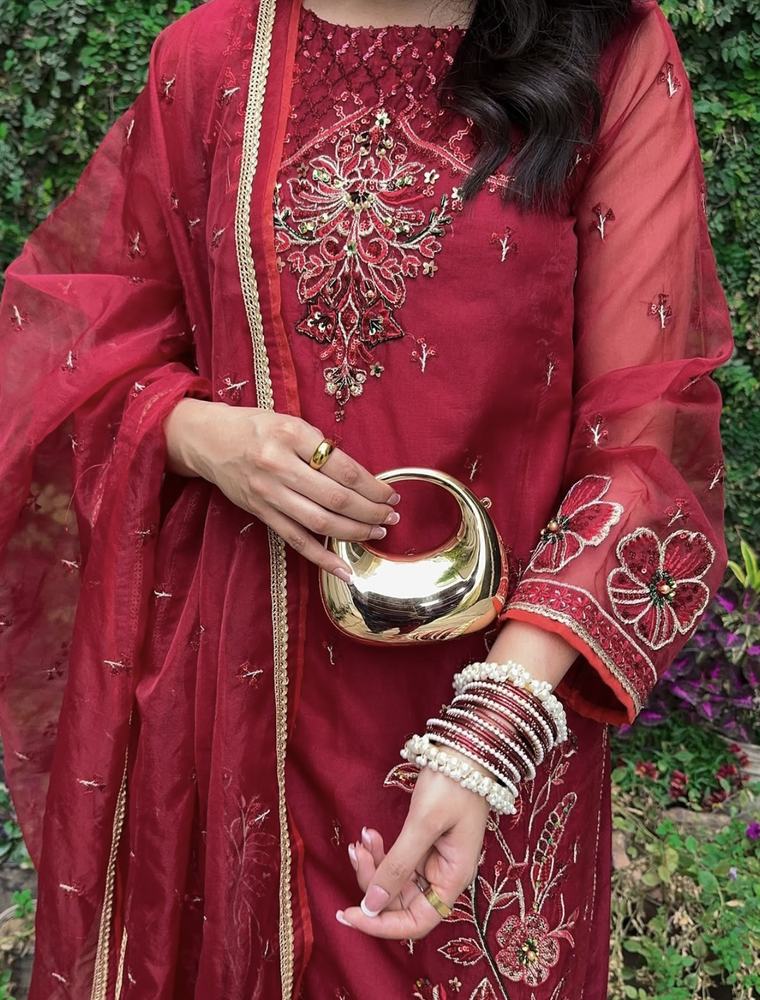
Close up, the gold is couched, not printed. You can feel the ridge of it under a thumb, and that is the whole difference between the two.
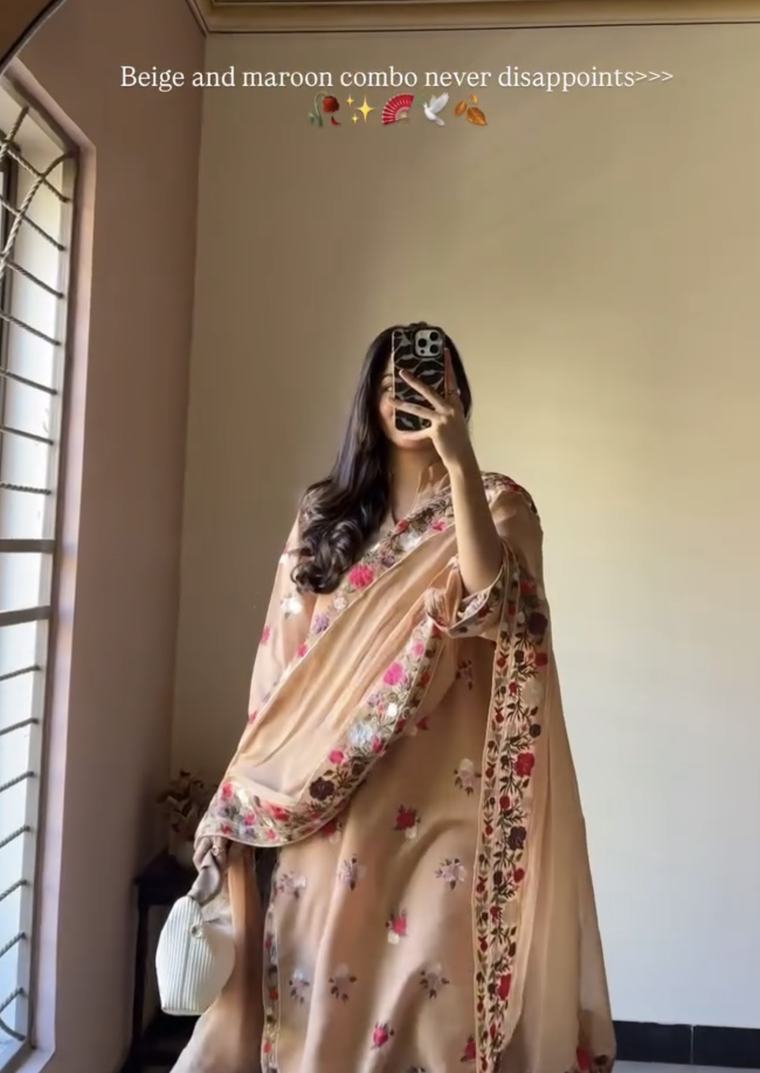
Beige and maroon, which never disappoints. The dupatta is doing the talking; the kurta stays deliberately quiet underneath.
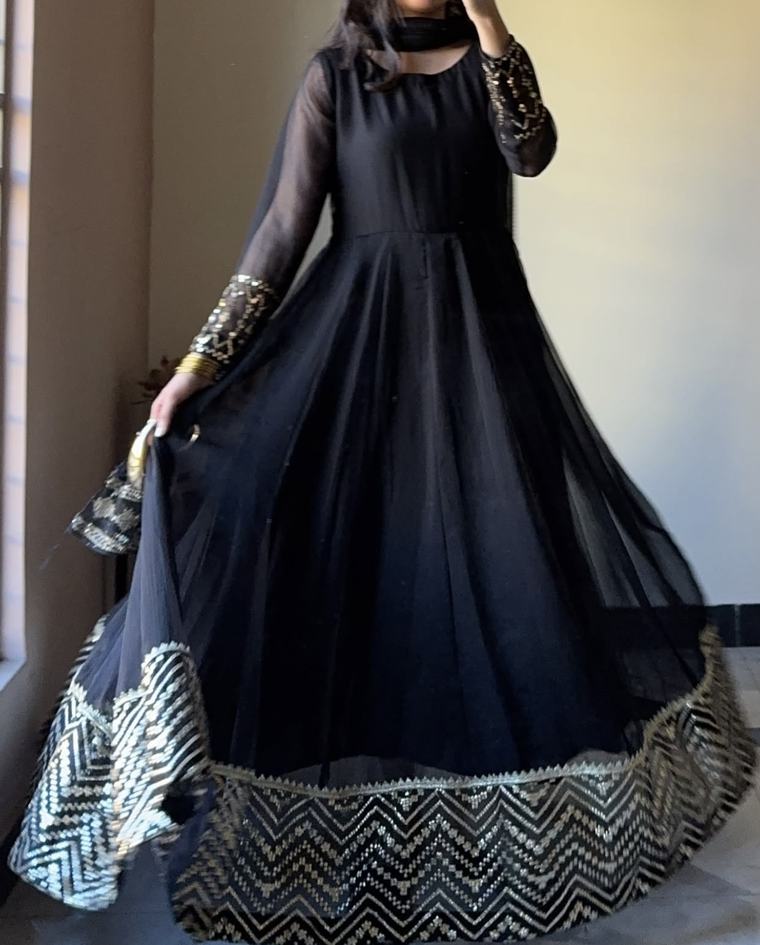
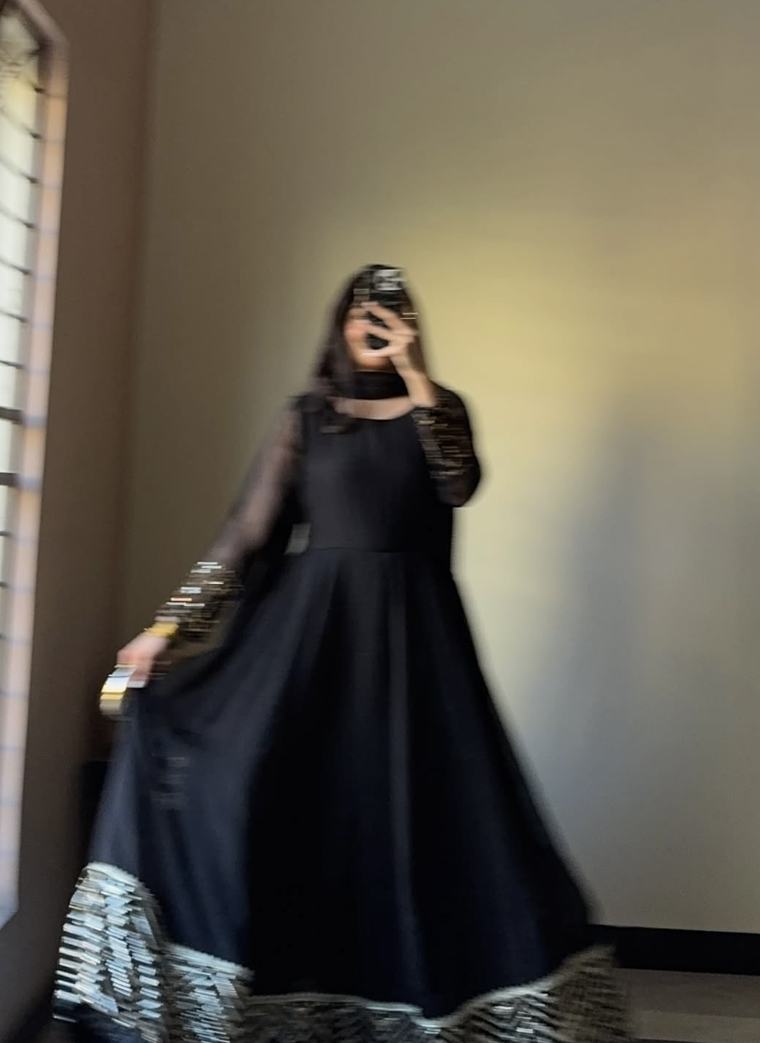
A black frock caught mid-turn. The patterned hem only reads when it is moving — standing still, it is just a black dress.
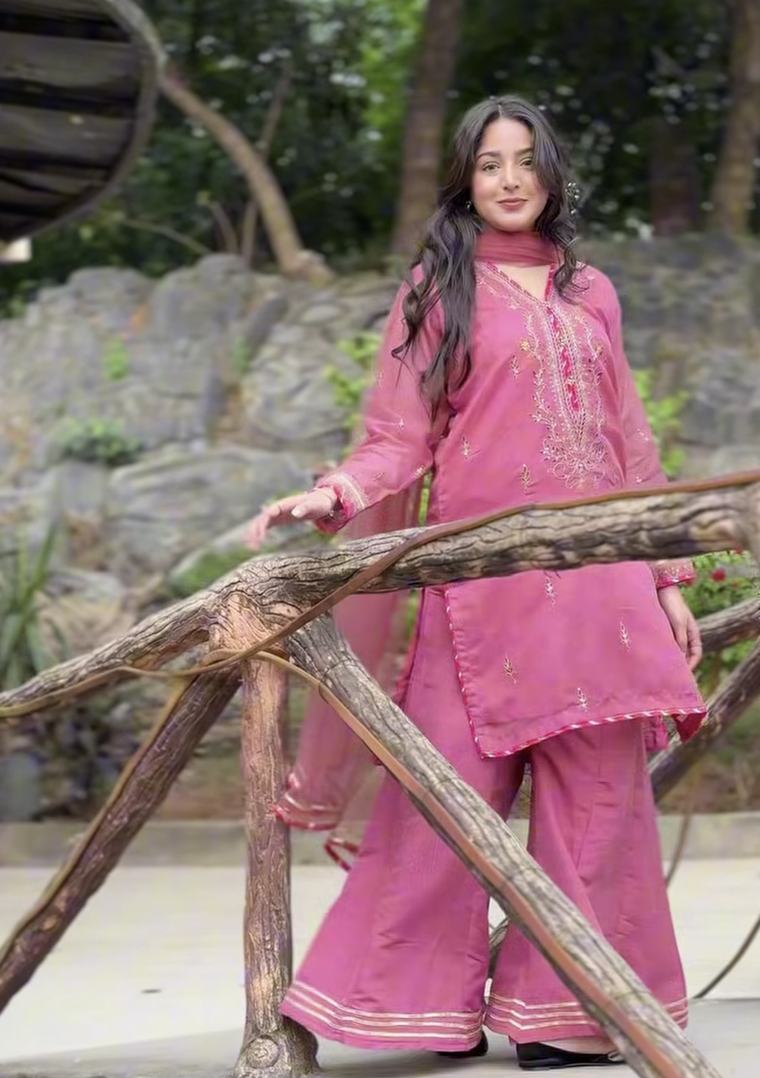
Fuchsia over a gharara. The pleats need room; this is not a silhouette for a small car.
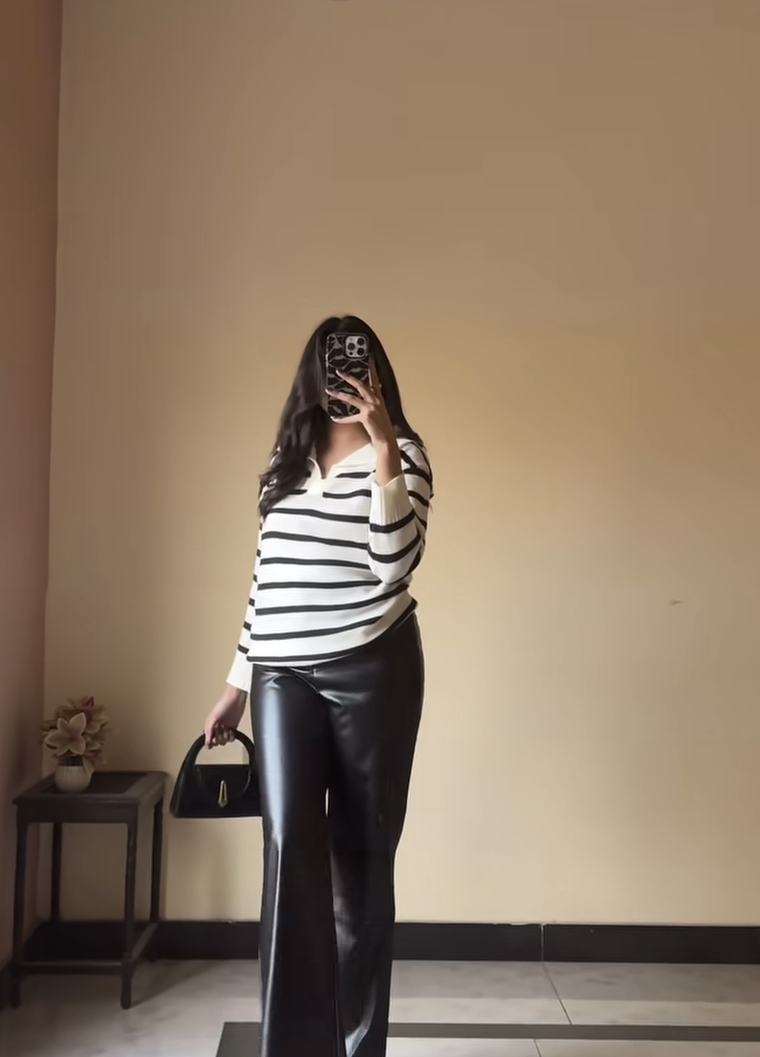
The same two pieces again, which is rather the point of them — a knit and a trouser that go out more often than anything expensive does.
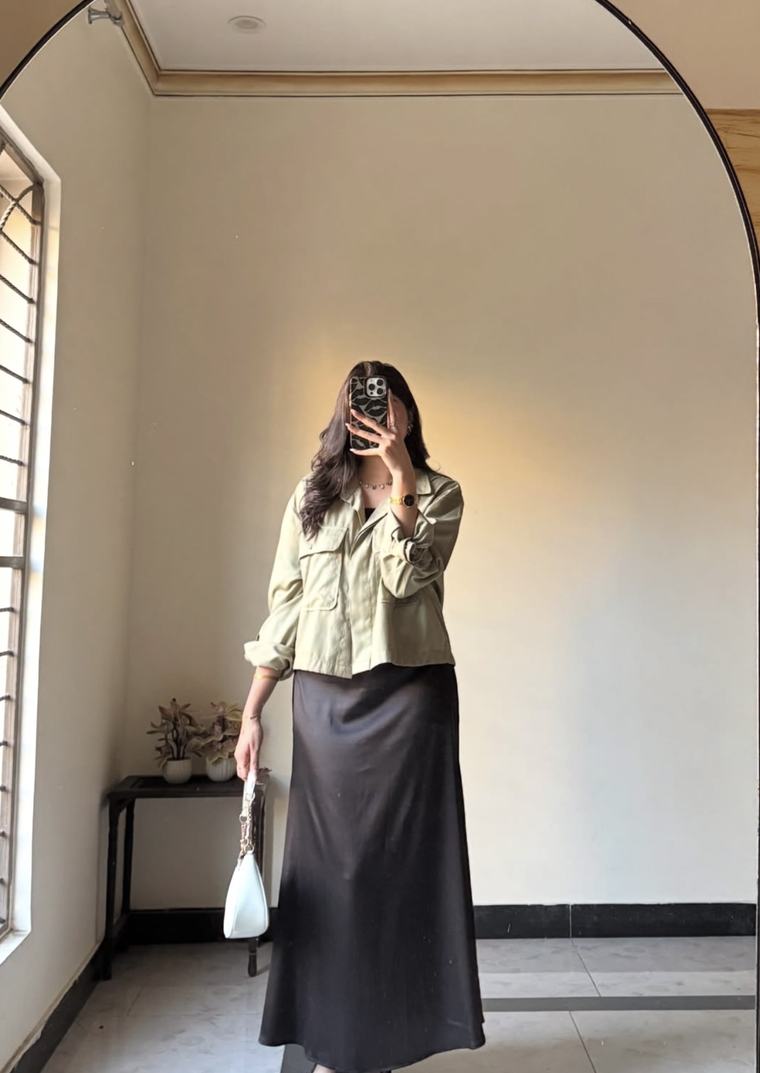
Ivory jacket over a black satin column. Two textures that should not agree: matte cotton against something that catches every light in the room.
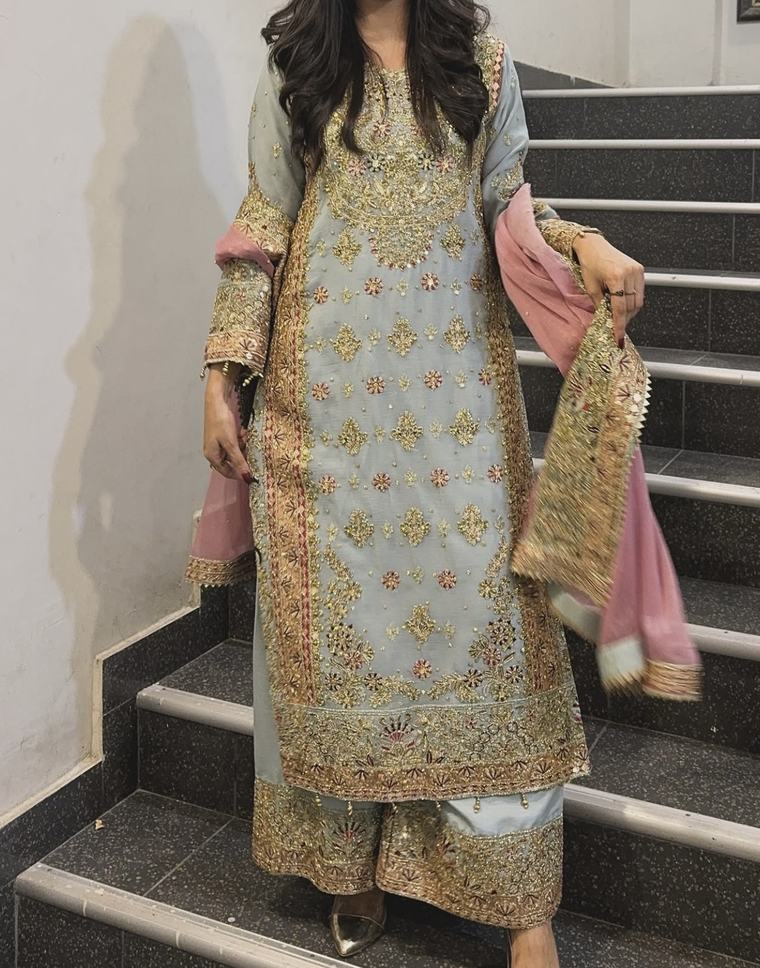
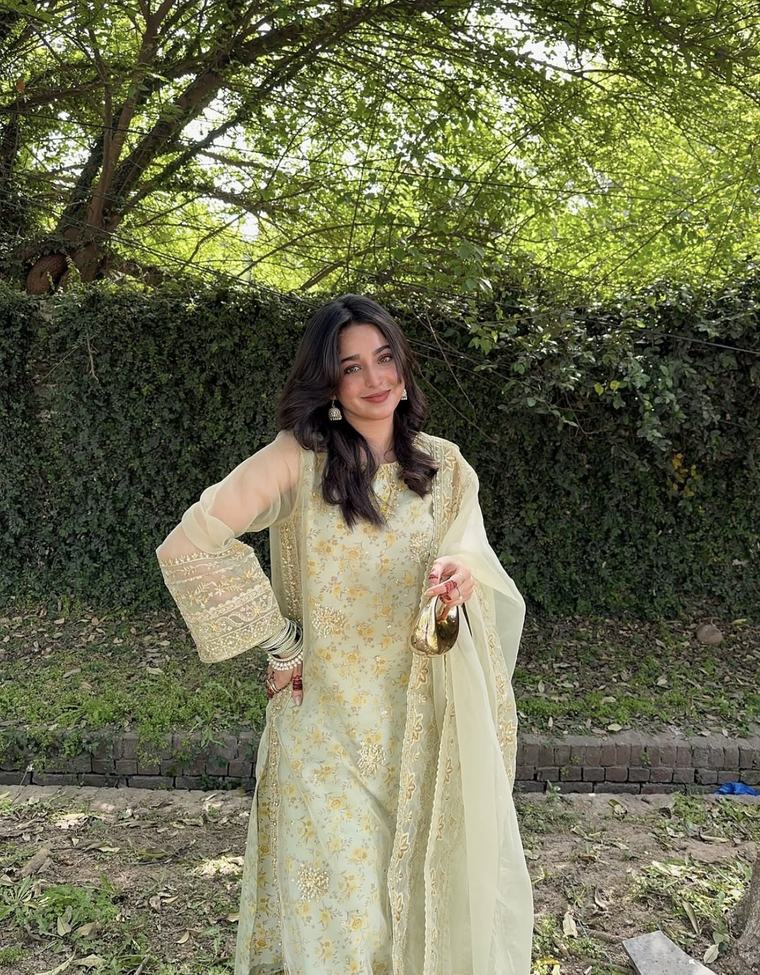
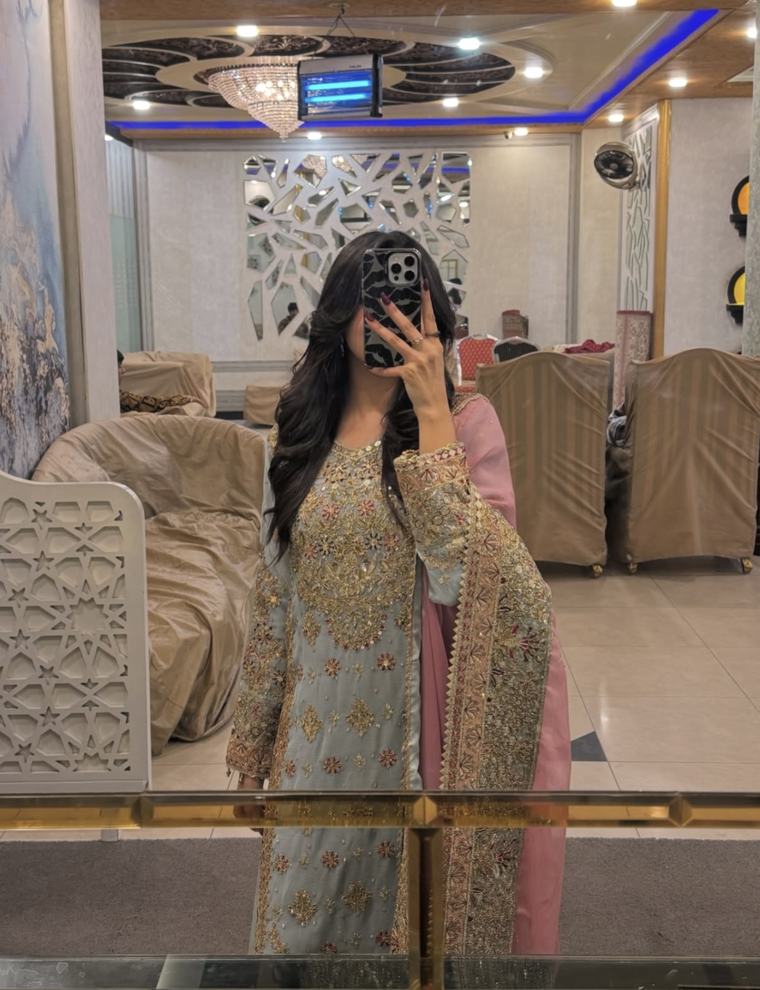
Pistachio under heavy gold work, with a pink dupatta thrown over it. Two formal colours that should not sit together, and do.
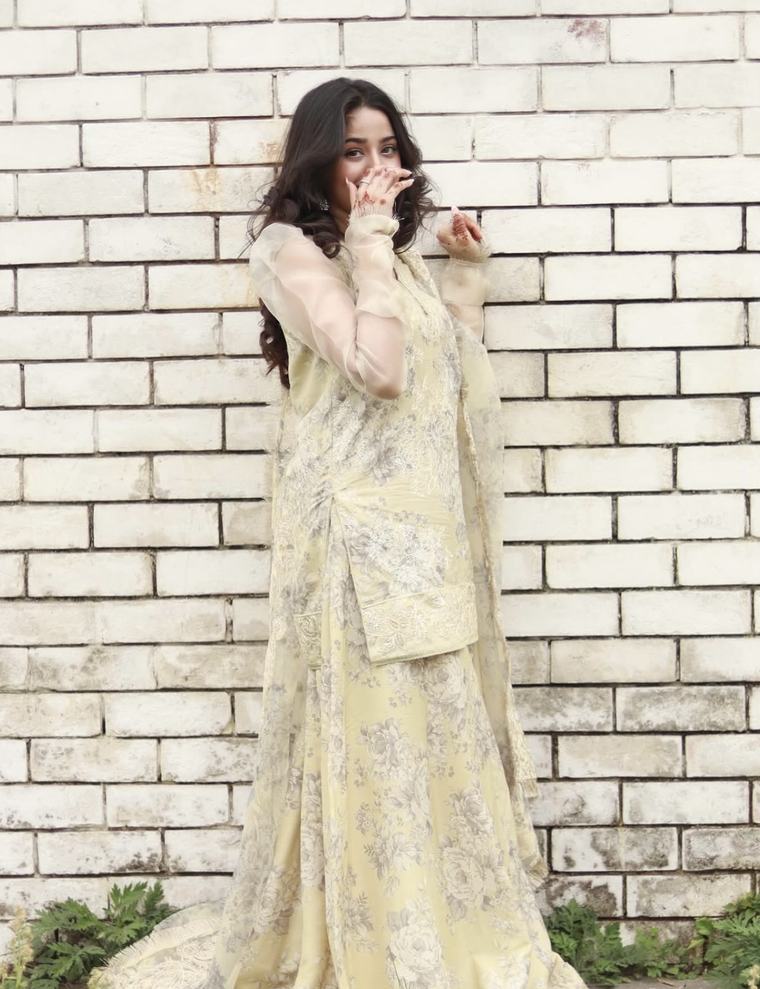
Butter yellow, small print, white brick behind it. Pale on pale needs texture in the background or it simply disappears.
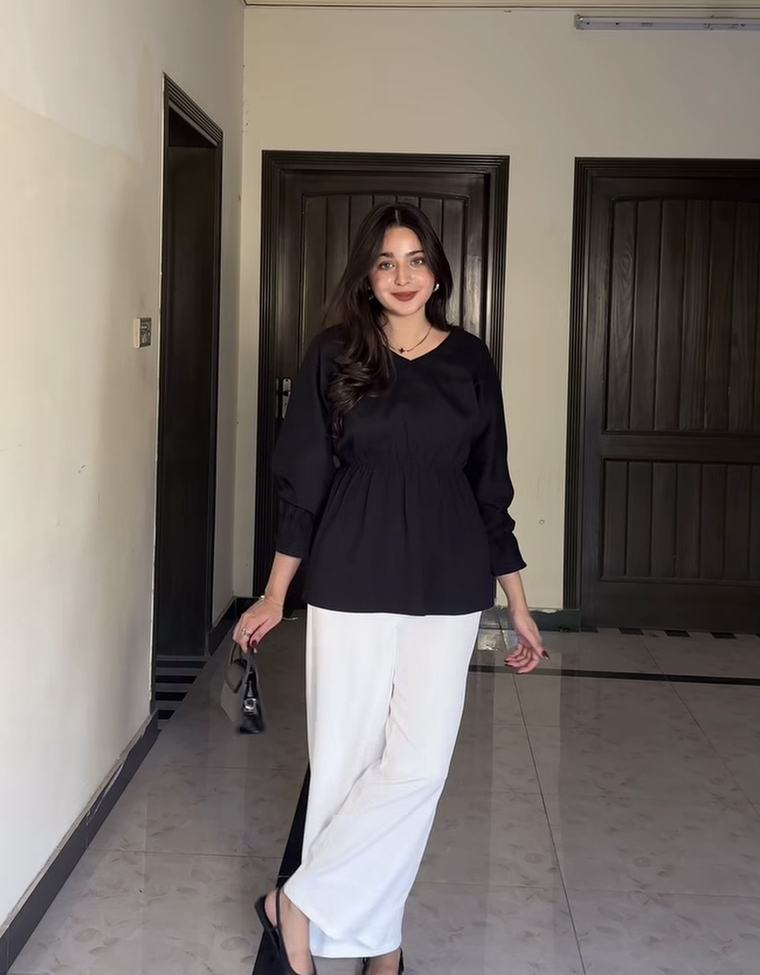
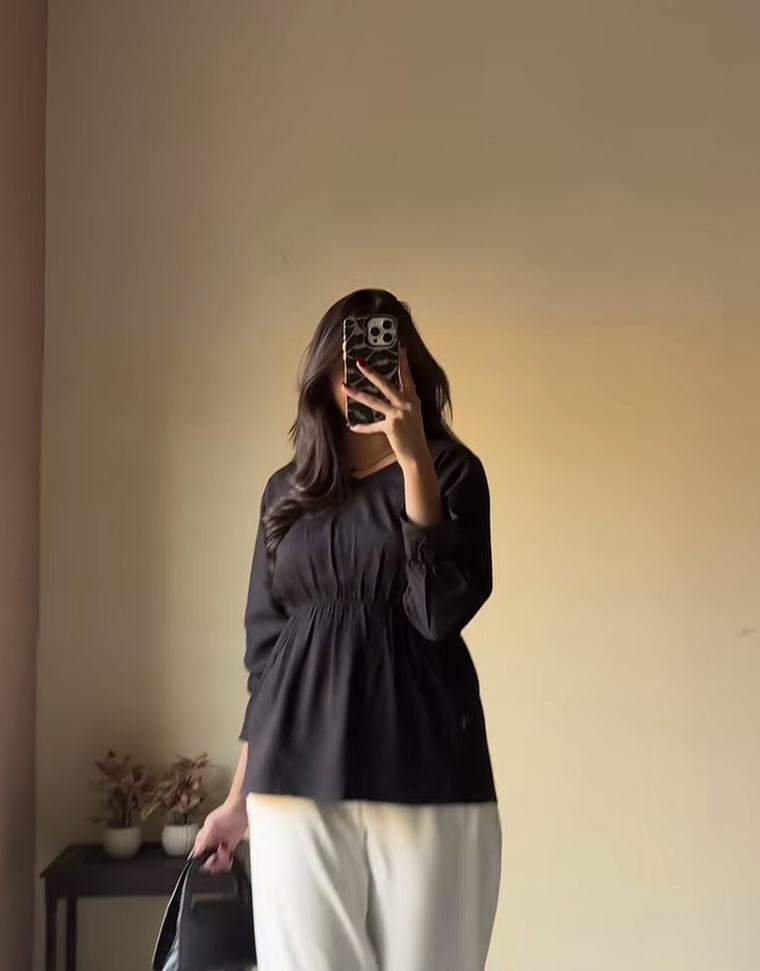
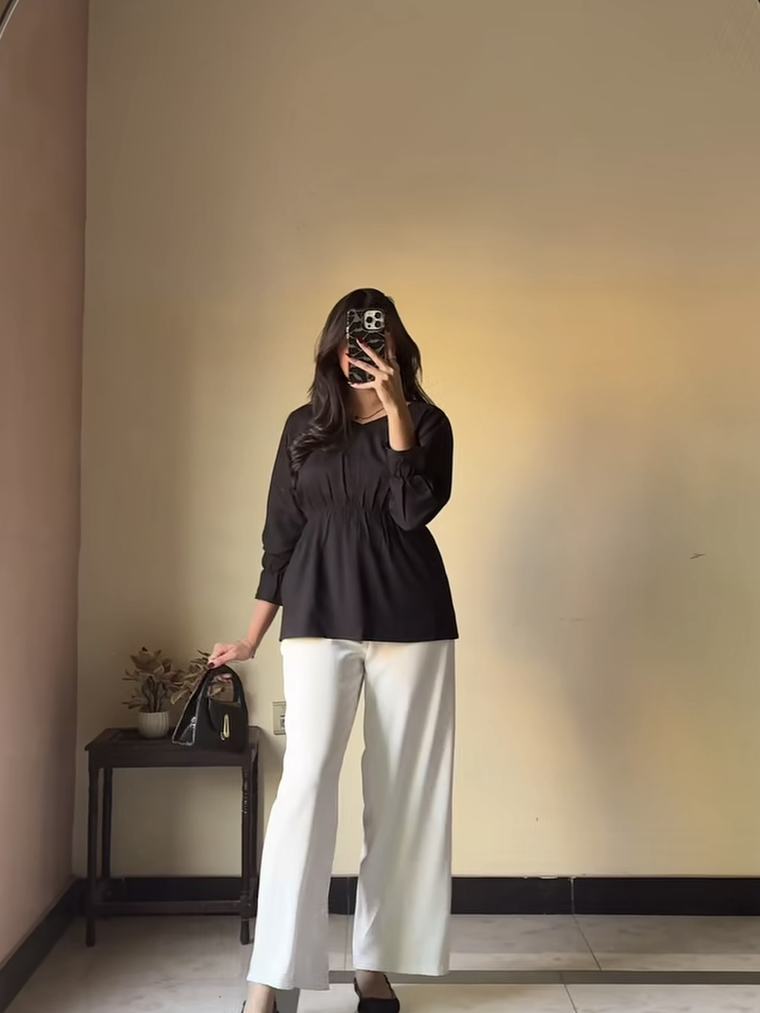
Black top, white wide-leg. The easiest contrast there is, and it still works on a morning when nothing else does.
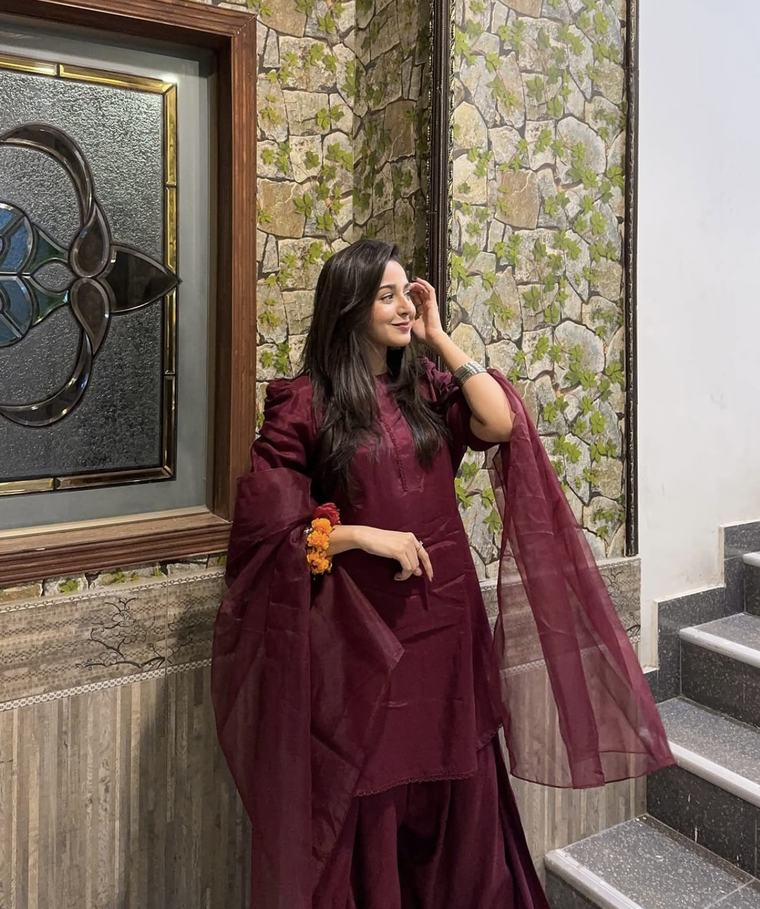
A wine kurta under a sheer organza dupatta. The sheer layer shifts the colour underneath by a full shade.
The dupatta is the outfit. Everything under it is a backdrop.Sundas Sehar
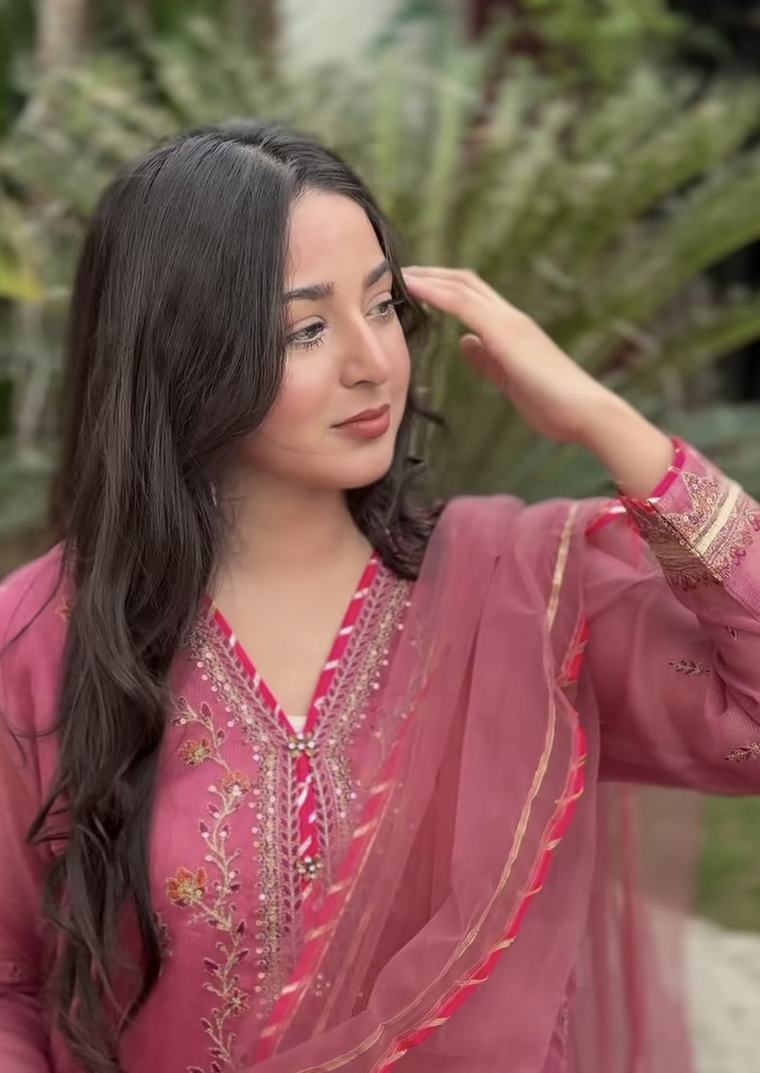
Fine thread work at the neckline. The colour is the event here; the embroidery only edges it.
The same shirt, oversized on purpose. A shirt that fits exactly is a shirt you stop reaching for.
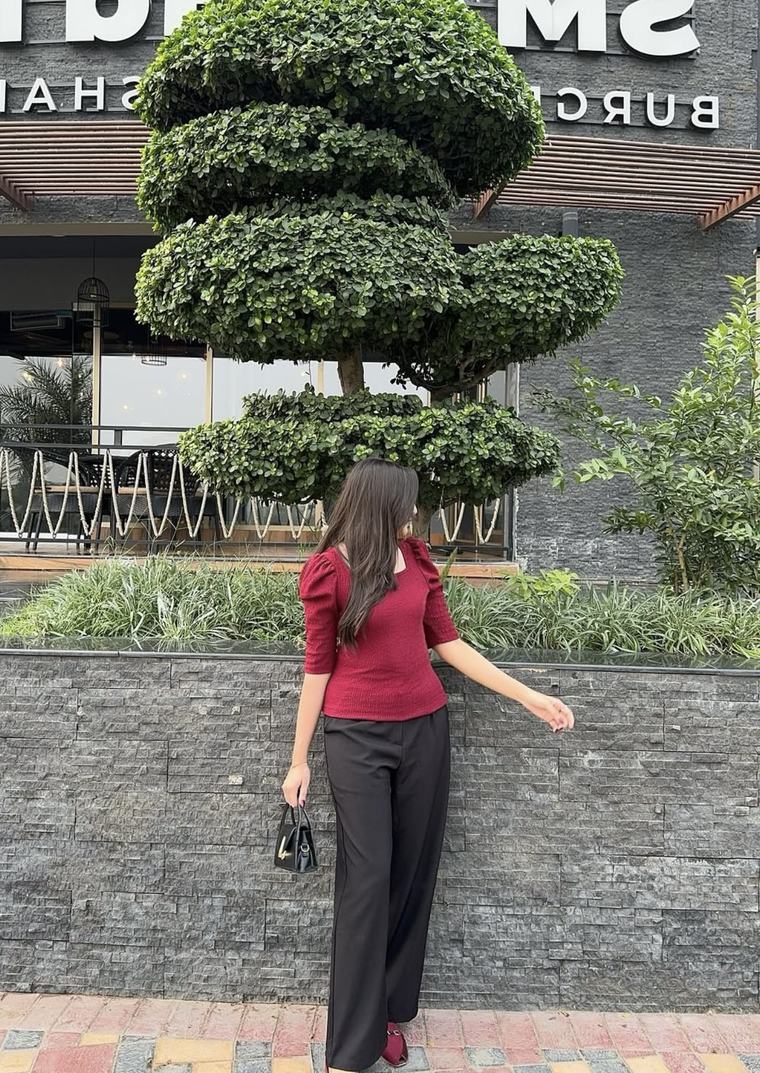
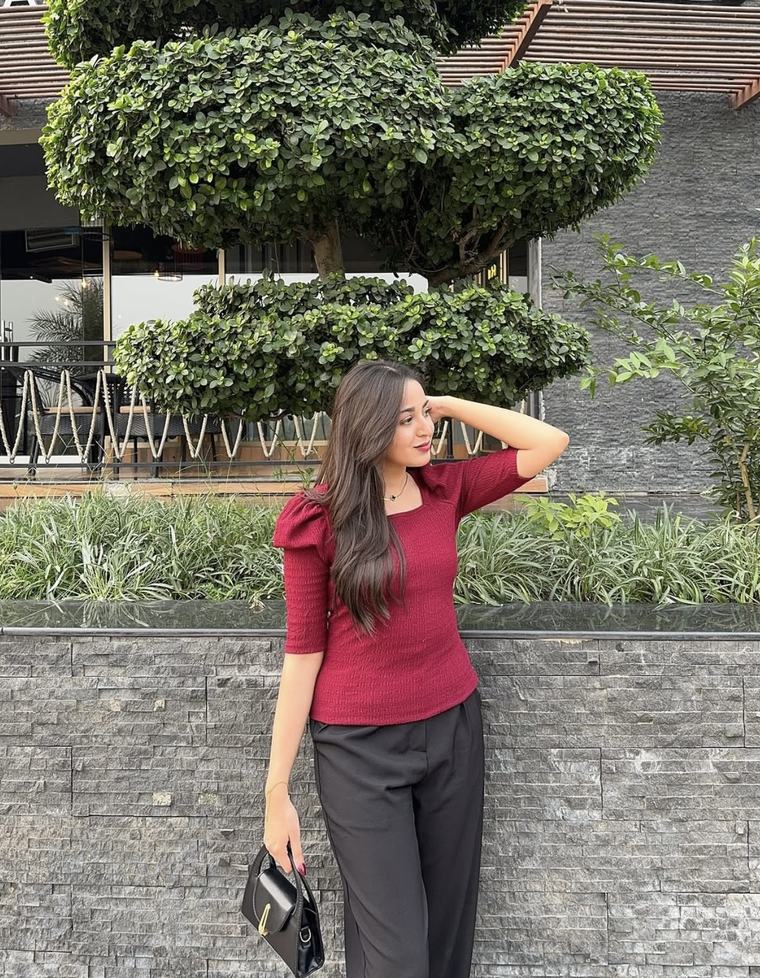
A red knit with black trousers. Warm red against true black — not maroon, not rust, which is a harder red to find than it sounds.
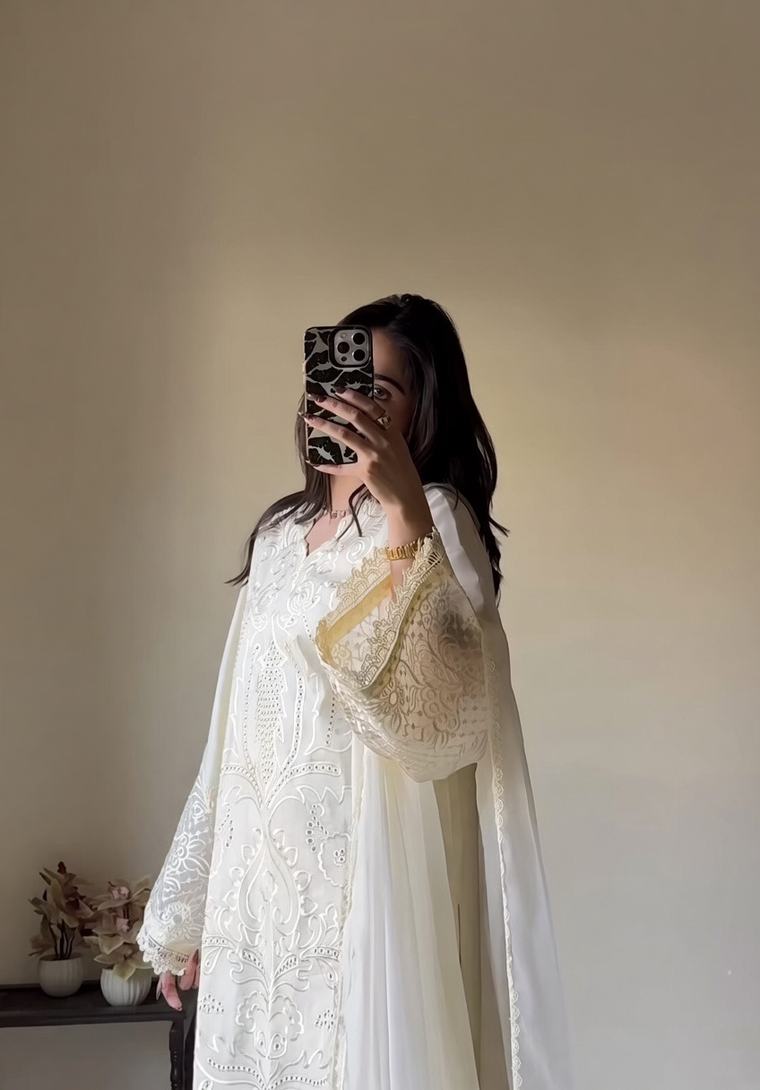
Ivory chikankari with a gold border. White work on a white ground photographs as plain and is anything but.
Salmon with tonal work through it. A colour that photographs considerably warmer than it looks in the room.
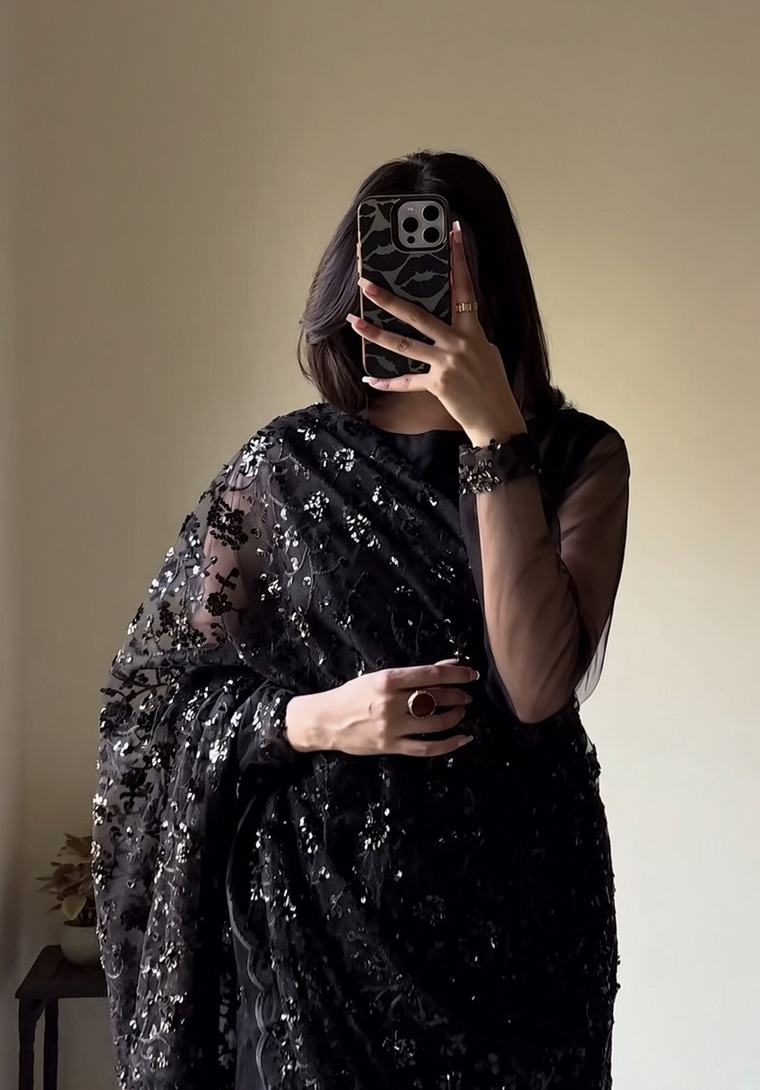
Sequins under sheer. Bare, they read as costume; something dull laid over them is what makes them look expensive.
Printed lawn on a cream ground. Lawn is the default for a reason — it takes a print better than anything else at the price.
Turquoise, loose, unstructured. Some colours only work when there is a lot of them at once.
Antique gold over grey. Old-gold thread reads warmer than yellow gold and ages far better with it.
Outside, the same red reads brighter. Colour never behaves the same in daylight as it does in a hallway.
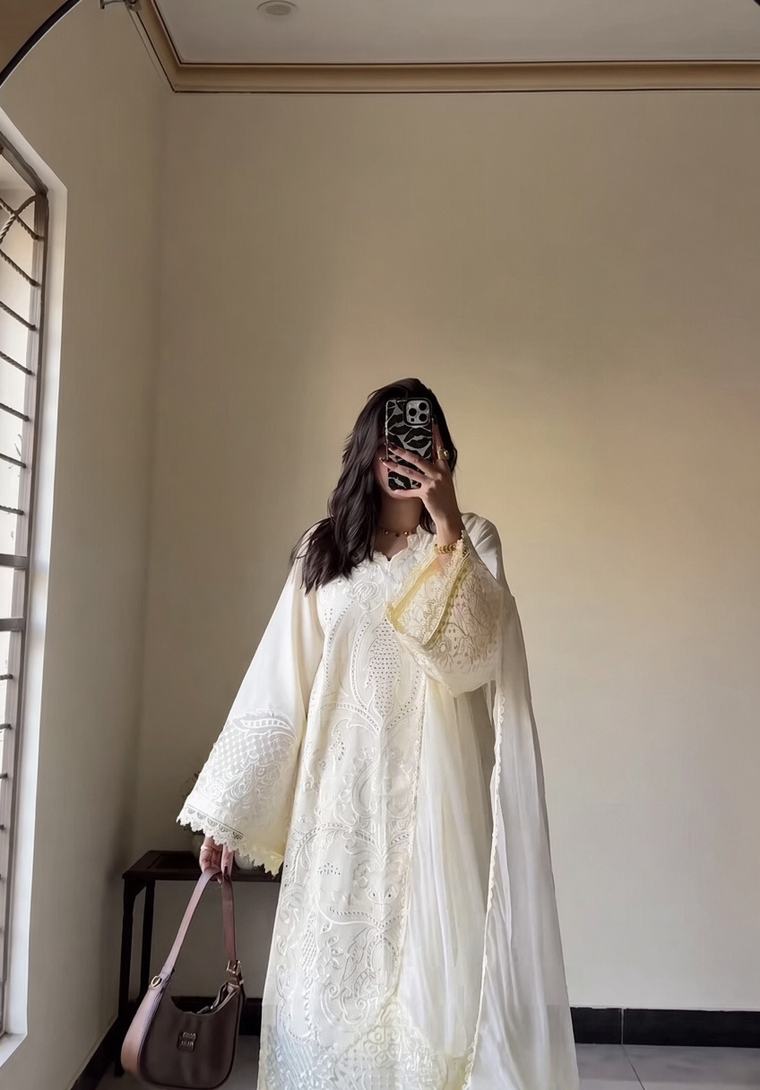
Full length, white on white, with a dark bag for ballast. All-white needs one dark object or the whole thing floats.
Expensive is a texture, not a price.Sundas Sehar
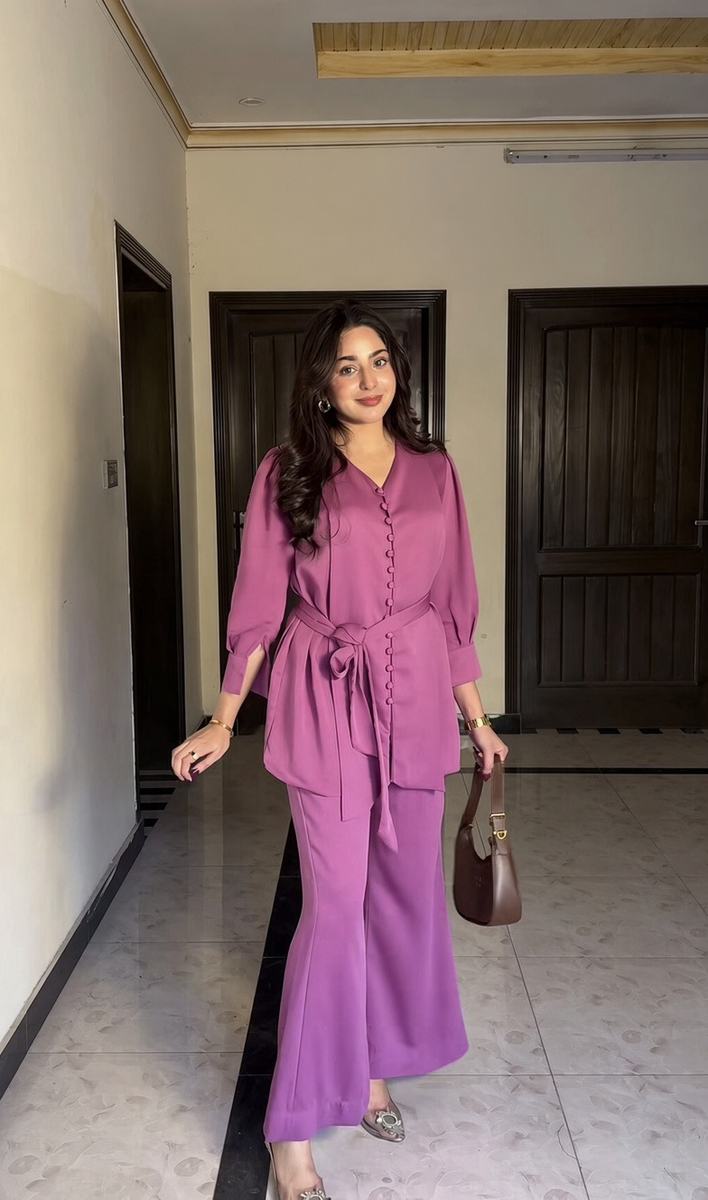
Plum, belted at the waist, trousers to match. A tonal outfit is less effort than it looks and reads as a good deal more.
A black peplum over white. The flare at the waist does the shaping, so nothing else has to.
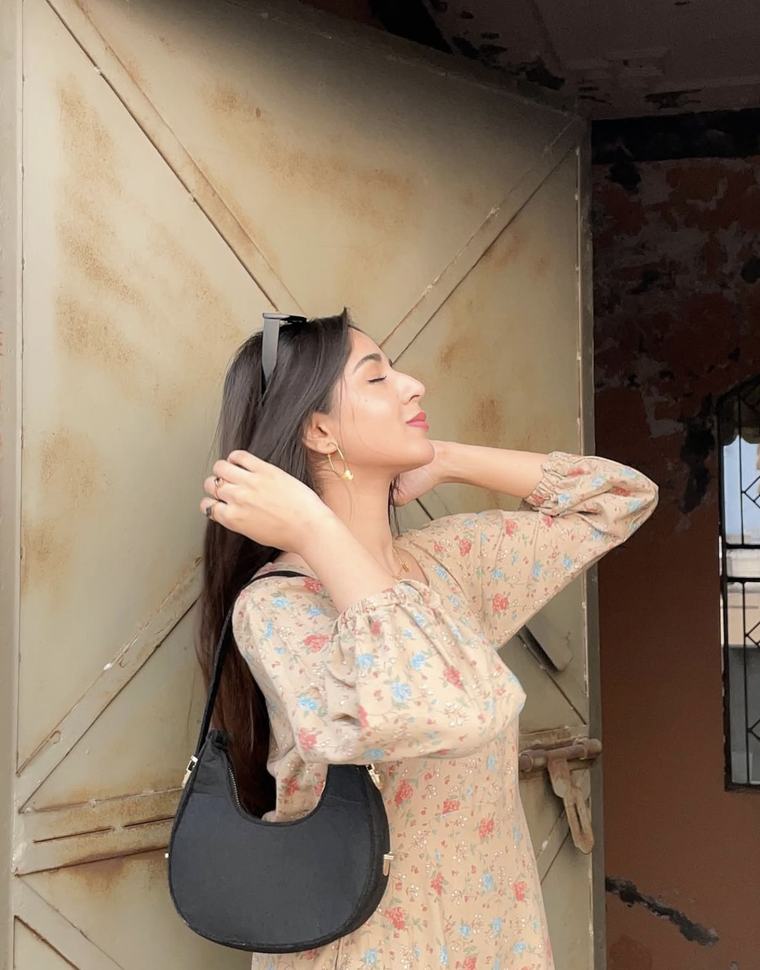
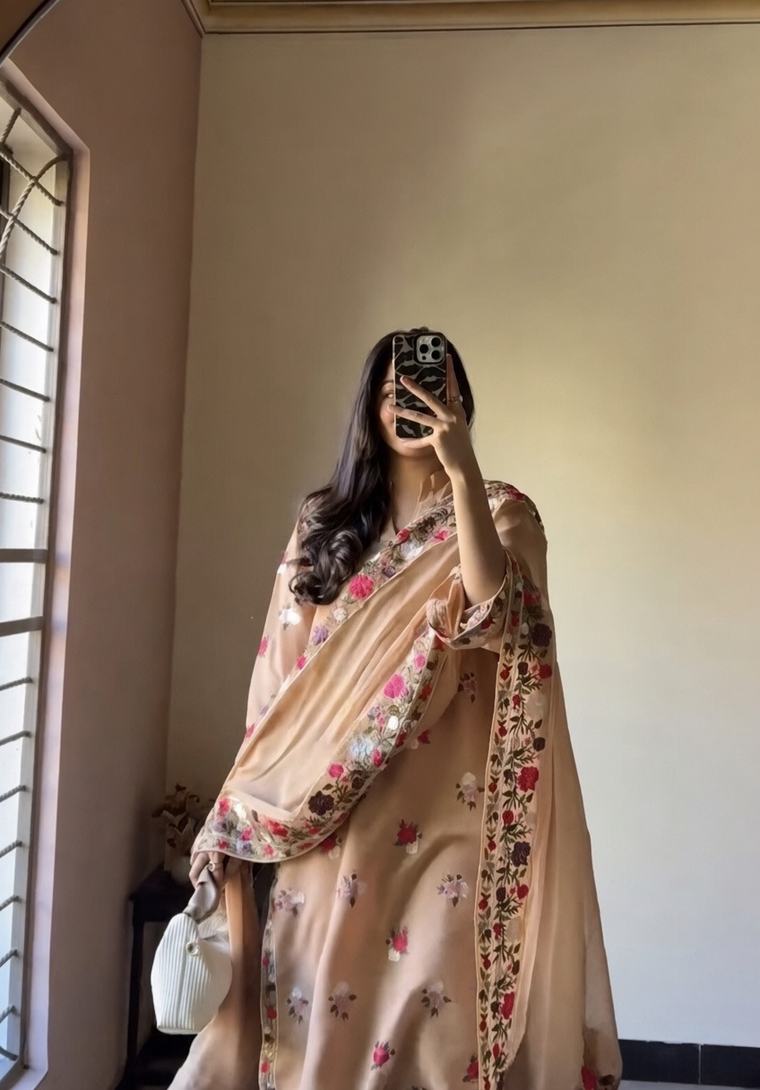
Peach florals with a black bag. One hard, dark object is what stops a soft print from going sweet.
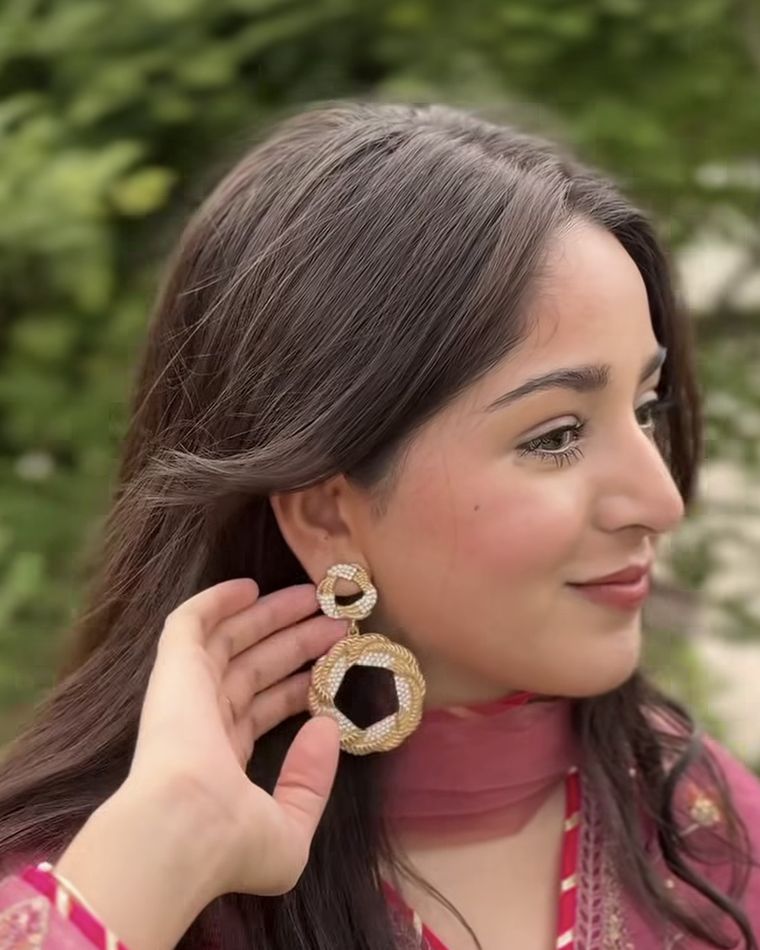
Gold discs against pink. Statement earrings work best when the neckline is high and doing nothing at all.
The same coat, hands in pockets. Unlined, so it moves with you instead of sitting on the shoulders like armour.
Pale lemon with white thread. In full sun the embroidery almost vanishes, which I have decided is the point of it.
A printed tee and nothing complicated. Most days look like this and there is no shame in that.
Cream trousers cut wide and long enough to break over the shoe. On a wide trouser, length matters far more than fit.
Nobody remembers the dress. They remember whether you could move in it.Sundas Sehar
A nude base under a floral dupatta. The dupatta is the outfit; everything beneath it is a backdrop.
Close in: every sequin is stitched, not glued. That is the difference between a piece that survives one evening and one that survives ten.
Collar left open, sleeves rolled once. Small decisions, and they are most of what styling actually is.
Collar out, sleeves down. Leather trousers turn out to be far less serious than they look, once you have worn them twice.
Archive

Everything else

24 Jun 2026

Dupatta drapes worth learning properly

→
11 Jun 2026

Shopping your own wardrobe first

→
28 May 2026

What "quiet luxury" looks like on a student budget

→
09 May 2026

Thrifting in Islamabad: a beginner's map

→
21 Apr 2026

Why some colours wear you instead

→
03 Apr 2026

Wedding season, minus the panic buying

→

Hello — I'm Sundas.

I live in Islamabad and I'm not a designer, a stylist, or anyone's consultant. I'm a person who gets unreasonably interested in a sleeve, and who has opinions about how a colour behaves in daylight.

This blog is where those opinions go, so my friends can stop hearing them. Expect trend notes, styling experiments that sometimes fail, and the occasional argument about what clothes are for.

0pieces written
0years at it
0letter a month
Newsletter

One letter a month

What I've been reading, wearing and arguing about. Nothing else, ever.

You're on the list — the next letter goes out at month end.